

























































After nearly three decades in the making, the Big Wave Center, a purpose-built housing and community campus for adults with intellectual and developmental disabilities, has finally opened near the Half Moon Bay Airport. The first resident moved in yesterday, stepping into one of the building’s 38 studio, one- and two-bedroom apartments that are expected to house roughly 40 people. On-site, residents will have access to job training, a culinary academy, and fitness and recreation programs aimed at helping them build skills, independence and community.
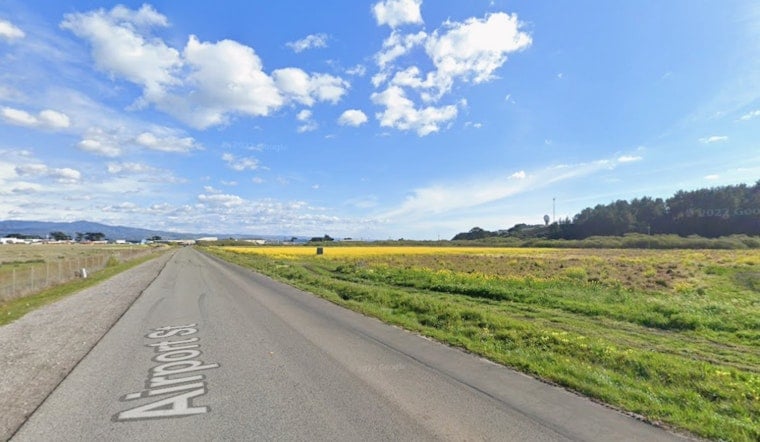
More than 400 people showed up for the ribbon-cutting at the new campus at 380 Airport St., just north of Princeton, and move-ins began soon after, according to the San Mateo Daily Journal. Family members, local officials and project leaders joined residents-to-be for what organizers framed as a milestone moment for the Coastside. The paper notes the opening came only after a long approval and construction journey that pushed past earlier target dates.
What the Center Offers
The campus is described by organizers as roughly 50,000 square feet spread over about 6.9 acres, with 38 apartments and shared indoor and outdoor areas where residents can gather, learn and work, according to the Big Wave Project. Staffed programs will operate a commercial kitchen and culinary training, along with day programs and job-preparation opportunities that residents can choose to participate in. Transportation options that serve the Coastside are expected to connect residents with jobs, services and activities beyond the campus itself.
A Decades-Long Effort
The Big Wave concept traces back to local Special Olympics teams and one parent’s search for long-term housing, which began when founder Jeff Peck bought coastal land in 1999, according to KQED. What started as a small, family-driven vision eventually grew into a full-scale development that required years of public hearings and environmental review. The project navigated Coastal Commission approvals and other permits before construction could begin, making the opening the capstone to a long, sometimes contentious process.
Organizers say commercial space, a working farm and resident programs are built into a plan designed to keep the operation financially sustainable over the long term. The idea is that the campus functions not only as housing, but as a place where residents can work, learn and plug into the broader Coastside community.
Big Wave is using a private funding model that relies on donations and buy-ins from parents, and organizers say about 20% of the units are being set aside or subsidized for people under certain income thresholds, according to the San Mateo Daily Journal. They describe that family-centered financing and philanthropic support as key to advancing the project without depending on large state placements. Leaders say the structure lets the center combine housing, wraparound services and local job opportunities on a single campus.
Founder Jeff Peck, whose daughter inspired the project, has received regional attention for the effort, including a CBS KPIX Icon Award for his community organizing, according to a recent press release. Organizers say the project also had to ride out pandemic-related delays and rising construction costs before finally opening this summer. Big Wave leaders have said they are open to sharing their model with other communities interested in creating similar supportive housing.




