

























































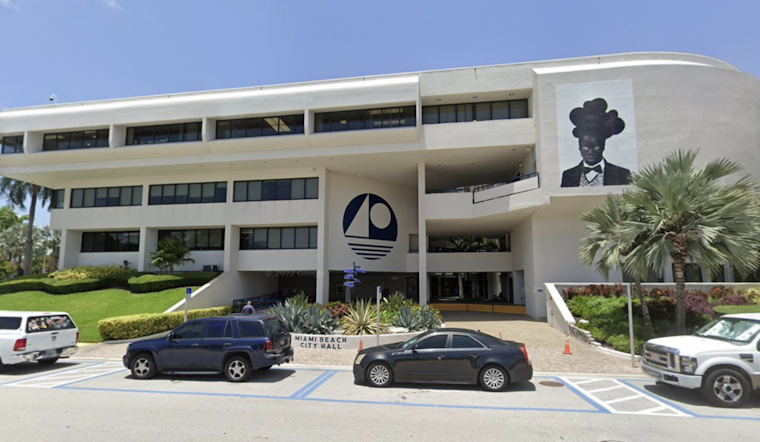
Miami Beach officials are weighing whether to let billionaire Ken Griffin fly straight to his new megayacht marina on Terminal Island instead of sitting in MacArthur Causeway traffic like everyone else. A June 24 proposal asks the city to tweak its rules so a private helipad can operate as an accessory use in the industrial strip along the causeway. The landing pad would give air access to a marina already tailored for privacy and security, and has quickly raised questions about noise, flight paths and which state and federal aviation reviews would kick in.
Official request and next steps
The request hit the City Commission agenda on June 24 as a dual referral to the Land Use and Sustainability Committee and the Planning Board, according to the City of Miami Beach memorandum. That memo asks planners to consider amending the land development regulations to list a helipad as an accessory use in the I-1 light-industrial district on Terminal Island, with use limited to private operations and emergency access for the U.S. Coast Guard.
The site and the marina
The helipad would sit at the tip of Terminal Island on a roughly 3.5- to 3.7-acre parcel Griffin bought for a private marina, identified in public records as 120 MacArthur Causeway. The planned marina, designed by BMA Architects, includes an owner’s pavilion, crew facilities and multiple megayacht slips intended to berth very large vessels, The Real Deal reports.
How zoning would change
Terminal Island’s current zoning does not allow private helipads, so the proposed amendment would specifically add helipads as an accessory use in that industrial district rather than opening the door citywide, Miami Herald reports. If the Land Use and Sustainability Committee and the Planning Board recommend the change, the measure would then advance to a full commission vote.
State and federal reviews
Even if Miami Beach adjusts its land-use code, the project would still need state and federal signoff. The Florida Department of Transportation reviews and issues site-approval orders for heliports and helistops, and the Federal Aviation Administration conducts aeronautical studies and applies heliport design standards. FDOT’s process typically includes a public review period and licensing or registration steps, while the FAA evaluates potential impacts on navigable airspace and aircraft operations.
Planners' guardrails and community concerns
The commission memorandum asks city staff to draft operational limits, including possible caps on hours, flight frequency and compatibility standards, that could be attached to any future permit. When Miami Beach’s Planning Board approved Griffin’s marina last fall, it imposed conditions such as Coast Guard sign-off for special events, self-contained parking on Terminal Island and limits on occupancy and events. Those earlier restrictions provide a preview of the kind of guardrails the city might place on a helipad, The Real Deal reported.
Griffin’s bigger Miami play
The helipad proposal is the latest piece of Griffin’s rapidly expanding South Florida footprint, which includes a planned multibillion-dollar headquarters in Brickell and several high-value property buys across Miami-Dade, as detailed by Bloomberg. Griffin secured planning approval for the Terminal Island marina late last year, and a helipad would fold air access into the cluster of private arrival options tied to the compound.
What comes next
City officials say the item is expected to go before the Land Use and Sustainability Committee at its Sept. 16 meeting, according to the Miami Herald. If the committee and the Planning Board recommend the zoning amendment, the full commission would then take a final vote, followed by the state and federal permitting process if it is approved.
For now, the question of whether Miami Beach should rewrite its land-development rules to allow private helipads is shifting from paperwork to the public dais. Residents, aviation regulators and city planners will have months to weigh private convenience against public impacts before any helicopter blades touch down on Terminal Island.




