

























































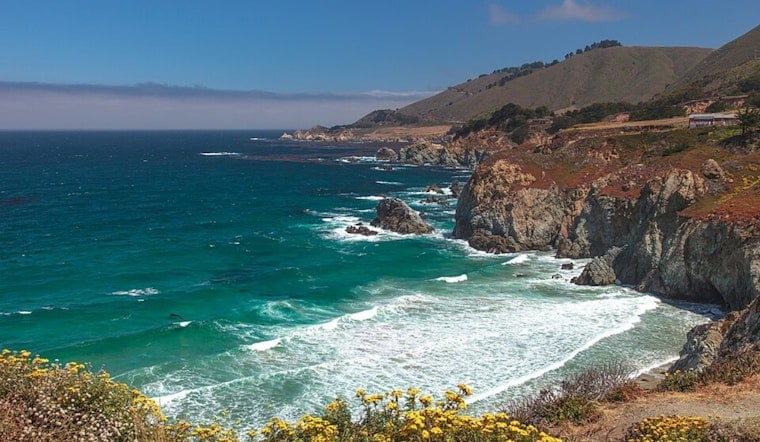
A long-contested stretch of Mendocino County’s shoreline is finally back under tribal care. California has transferred a 136-acre piece of coast known as Blues Beach to a tribal nonprofit, returning stewardship of the bluffs, shoreline and cultural sites to the descendants of the people who lived there for generations.
The property will now be held by Kai Poma, a nonprofit governed by members of the Sherwood Valley Band of Pomo Indians, Round Valley Indian Tribes and the Coyote Valley Band of Pomo Indians. Tribal leaders say the move will give them the authority to protect sacred places while still keeping the area open for daytime public access.
The transfer cleared its final regulatory hurdle when the California Transportation Commission signed off on the change last Friday, and state staff are expected to finalize the paperwork, according to the Los Angeles Times. J. Carlos Rivera, tribal chairman of the Sherwood Valley Band of Pomo Indians, told the outlet, “This is beyond huge,” calling the handoff a meaningful step toward reclaiming land taken after colonization.
How the Transfer Became Possible
The deal was enabled by Senate Bill 231, authored by Sen. Mike McGuire and signed by Gov. Gavin Newsom in 2021. The law gave Caltrans authority to transfer certain state-owned parcels to tribal entities and restricted commercial activity on the property, Sen. Mike McGuire’s office said in a 2021 press release.
McGuire framed the bill as a response to years of damage and mismanagement at Blues Beach and urged close collaboration between the tribes and state agencies on a long-term management plan once the transfer went through.
Tribal Stewardship and the Management Plan
To prepare for the handoff, Kai Poma and the California Coastal Commission put together a public-access management plan, signed in December, that spells out how the tribes will safeguard sensitive natural and cultural resources while allowing daytime visitors, according to the California Coastal Commission.
Planning documents show that Kai Poma intends to conduct cultural and archaeological studies, along with environmental surveys, before releasing a detailed resource management plan for the property. In other words, the tribes are planning to do their homework on the land before making any long-term calls about how it is used.
What Visitors Should Expect
In recent years, public use at Blues Beach has often gone largely unmanaged. Camping, parties and vehicle activity have damaged cultural sites and left behind trash, the Los Angeles Times reports.
Under the legal and planning agreements tied to the transfer, the site will stay open from sunrise to sunset, but commercial uses will be barred and protections for sensitive areas will be enforced. Daytime beach trips are still on the menu, but more destructive behavior is likely to face tighter scrutiny.
Why It Matters
Beyond the local conservation win, the transfer sets a precedent for returning state-held coastal lands to Indigenous stewardship and shows how state agencies and tribes are coordinating to manage fragile stretches along Highway 1, according to the Coastal Commission’s report. Tribal leaders and local officials describe placing Blues Beach under tribal oversight as a concrete step toward addressing historical dispossession while protecting resources for the next generations.
Officials say the shift should curb harmful uses while giving the tribes the authority to balance cultural practice, habitat protection and safe public access. Tribal leaders plan to use forthcoming studies and community engagement to shape a long-term vision for the bluffs and beach.





.jpg)