

























































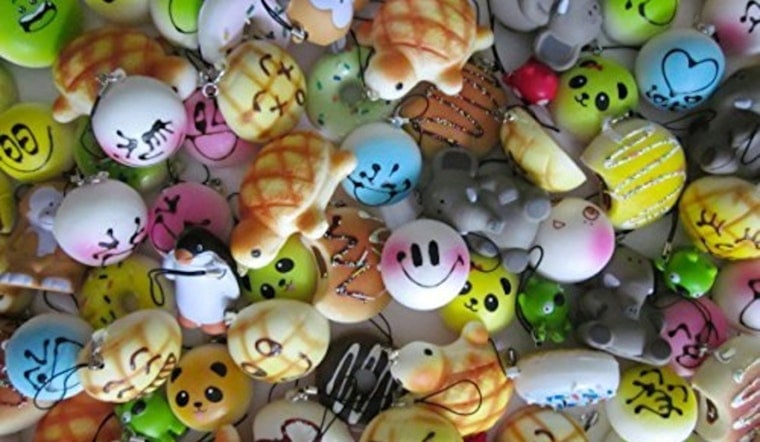
Boston pediatric burn specialists are sounding the alarm after a steady stream of kids have landed in local emergency rooms with scalds and chemical burns tied to gel-filled "squishy" toys. The injuries, often second-degree burns to the face, neck, wrists and hands, can be brutal because the sticky gel clings to the skin and locks in heat. Cases have been linked to microwaving and freezing the toys, leaving them in hot cars or direct sunlight, and to cheaper knockoffs that may contain unknown chemicals.
Shriners Children’s Boston Sees Weekly Burn Cases
Clinicians at Shriners Children's Boston report treating at least one child every week for burns tied to gel-filled toys, with more cases rolling in as summer keeps kids at home. "What many families don’t realize is that even 15 seconds, possibly less, in the microwave can heat the gel inside these toys to dangerous temperatures," said Dr. Colleen Ryan, an associate surgeon at the hospital. Clinicians there also warn that some lower-cost knockoffs may be made with different internal compounds that increase the risk of chemical burns.
Boston Clinicians Describe Painful Injuries And Tough Recoveries
Nurse practitioner Laura Abbott told Boston 25 News that the clinic has been seeing "about one to two patients a week" with these toy-related burns. Treatment is no quick fix: kids can need repeated dressing changes and long-term scar management. Abbott urged parents to strip off any contaminated clothing, rinse the affected area under cool running water for 15-20 minutes, and head to the emergency department for burns involving the face, hands or eyes, since the toy gel can cling and make wound care far more complicated.
Consumer Reports Pushes Feds To Step In
Consumer Reports has urged the U.S. Consumer Product Safety Commission to investigate gel-filled sensory squeeze toys after independent testing and consumer complaints raised alarms about certain products. CR’s testing found one sample with a pH level as acidic as lemon juice and documented cases where the gel reached temperatures capable of causing instant burns. The group is now calling for clearer ingredient disclosure and stronger warning labels.
U.K. Recall Flags Benzene Risk In Squishy Toys
The U.K.’s Office for Product Safety and Standards, according to GOV.UK, recalled "Squeezy Dumplings" sold by Samsons Cash and Carry after tests found benzene in the toy’s outer layer at levels far above the country’s legal limit. Regulators classified the product as a serious chemical risk, a reminder that counterfeit or unbranded squishy toys can pose dangers that go beyond overheating and scalding.
Manufacturer Says ‘Do Not Heat’ Is Plain As Day
The original maker of NeeDoh and similar brands posts clear warnings on its product pages and packaging that the toys are meant for room-temperature play only and explicitly state "Do NOT heat, freeze, or microwave." Toy maker Schylling says it has updated labeling and worked with online platforms to pull videos that show dangerous misuse, though experts note that tiny print on a box often loses out to viral social media "hacks."
What To Do If A Toy Ruptures
If a gel-filled toy bursts and the contents touch skin, clinicians advise removing any contaminated clothing right away, rinsing the area under cool tap water for at least 15-20 minutes, and seeking emergency care, especially for burns involving the face, hands or eyes. Do not use ice or home remedies that could aggravate the injury, and get specialist evaluation if a chemical exposure is suspected. Shriners Children's Boston provides detailed pediatric burn first-aid guidance and referrals for follow-up care.
Legal Fight And Regulatory Pressure Heat Up
A proposed class-action complaint filed July 21 accuses Schylling of failing to adequately warn consumers about heat-related rupture risks and seeks to represent buyers nationwide after numerous reports of second- and third-degree burns. ClassAction.org reviewed the filing, which lands as consumer advocates press regulators for tougher safety testing, clearer labeling and faster removal of dangerous misuse videos from social platforms.
Parents Told To Keep Toys Cool, Kids Closer
Experts say parents should use gel-filled toys only at room temperature, avoid microwaving or freezing them, keep them out of hot cars and check for strong chemical odors, missing safety marks or flimsy construction before handing them to a child. If you suspect a burn or chemical exposure, report the product to the U.S. Consumer Product Safety Commission and call Poison Help at 1-800-222-1222 for immediate guidance. Local poison centers and emergency departments have already fielded hundreds of concerned calls as the trend has spread. For official reporting and recall information, check the CPSC and Poison Help, and clinicians warn that kids who try to copy viral "hacks" may need extra supervision, according to WFTV.




