

























































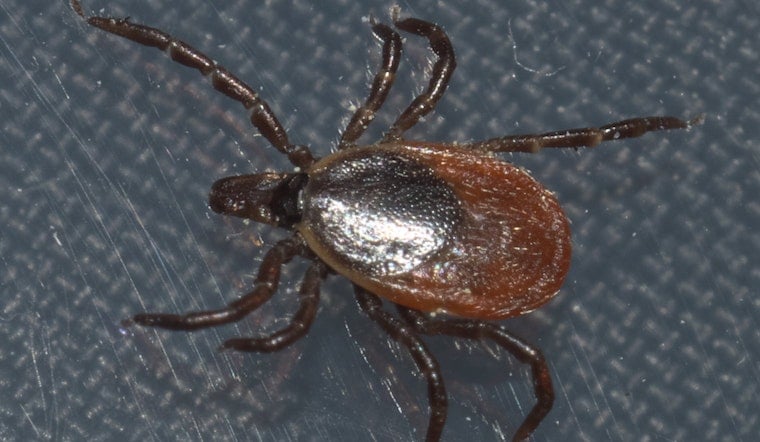
By the time anyone knew what was really wrong with Henry Grover, the 61-year-old Brewer man could no longer move, talk or see. His wife, Dr. Patricia Jo Grover, says a rare tick-borne virus took all of that in a matter of weeks, then took his life.
Grover told reporters that her husband became sick in early March 2022, landing first at a Bangor hospital before being flown to Massachusetts General Hospital in Boston. He died on March 23, 2022, after what she describes as a stunningly fast decline. Only after his death, she said, did the family learn that he had been infected with Powassan virus, a rare but increasingly watched tick-borne disease. Her account is resurfacing now as officials confirm new Powassan cases in Maine.
According to WBAL NewsRadio, Grover said Henry was admitted to a Bangor hospital on March 4, 2022, then transferred to Boston about a week later. WBAL reports the family did not receive confirmation of Powassan until after he died, and that Grover described sitting by his bed as he progressively lost basic functions. The outlet published her account on July 24, 2026, carrying her warning to anyone who spends time outside when ticks are active. Those details track with earlier local television coverage of the family’s ordeal.
Local TV coverage captured Grover’s anguish in blunt language. As reported by WABI, she said “he couldn’t move, speak or see” and explained that she ultimately made the decision to remove him from life support. WABI also noted that Henry had been treated for a rare form of lymphoma and had been doing well on medication before this sudden illness. The family’s story highlights how quickly neurologic symptoms can appear when Powassan infections turn severe.
Powassan: A Rare, Fast-Moving Tick Virus
The U.S. Centers for Disease Control and Prevention says Powassan virus spreads through the bite of infected ticks and can cause fever, headache, vomiting and weakness that may progress to inflammation of the brain or spinal cord. According to the CDC, reported cases remain uncommon but have been rising in recent years, and there are no vaccines or antiviral drugs specifically for Powassan disease. People with severe illness often need hospitalization for breathing support, IV fluids or other intensive care. The CDC is urging clinicians in areas where the virus is found to consider Powassan testing when they see unexplained encephalitis or meningitis.
Maine’s Uptick And Local Advisories
State health data show fresh activity this summer. Maine Public reported on July 22, 2026, that Maine had confirmed a third human Powassan case so far this year. The Maine Center for Disease Control and Prevention issued a health advisory on June 23 after confirming a Powassan infection in Penobscot County and reminded clinicians to test patients who show unexplained neurologic symptoms. Maine CDC guidance notes that infections are rare overall but can be especially severe in older adults and people with weakened immune systems. Local officials say fast recognition matters because the worst cases can escalate in a hurry.
What Researchers Are Doing
MaineHealth’s Vector-Borne Disease Lab in Scarborough is part of a regional push to understand how Powassan circulates in ticks and which environments carry the highest risk, the health system says. MaineHealth has shared local surveillance findings and is collaborating on studies of Powassan prevalence and genetic diversity in ticks, including work published in the American Journal of Tropical Medicine and Hygiene. Researchers say those data help public health agencies fine-tune messaging and surveillance. The aim is to better predict hotspots and cut human risk through prevention and fast detection.
How To Reduce Your Risk
Health officials stress the basics, which admittedly are not glamorous but do work. They recommend using EPA-registered repellents on skin, treating clothing and gear with permethrin, wearing long sleeves and pants and doing thorough tick checks after being outside. The CDC and the Maine CDC both note that Powassan can sometimes transmit very quickly and that anyone who develops fever, a severe headache or neurologic symptoms after a tick bite should seek medical care. Showering soon after coming indoors and washing clothes in hot water can help remove ticks, and pets should be on veterinarian-recommended prevention. Around homes and trailheads, reducing habitat for deer and rodents can cut down the number of ticks that wander into yards.
Grover says she is reliving a painful chapter of her life in public because she does not want another family put in the position she faced in that Boston hospital. “I had to choose to pull the plug,” she told WABI, urging neighbors to take ticks seriously. Public health officials echo that message, saying vigilance, prompt tick removal and early evaluation remain the best defenses until more is known about Powassan. For now, Grover’s warning stands as a stark reminder that a single tick bite can carry consequences far beyond an itchy welt.





