

























































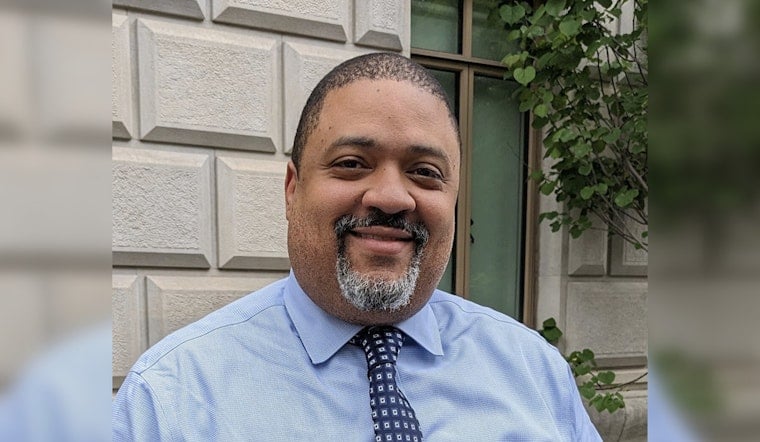
Hope House, a residential alternative to incarceration for people with serious mental illness, officially opened in the Bronx on Thursday, drawing Manhattan District Attorney Alvin Bragg, community leaders and elected officials to a launch ceremony. The facility is set up to offer long-term, treatment-focused stays instead of jail for a small group of defendants, a model supporters say could cut down on repeat incarceration for people whose symptoms have pushed them into the criminal justice system.
Bragg highlighted the opening in a post on X, calling it an honor to join the Greenburger Center at the event and sharing photos from the ceremony. His July 10 post noted that he had appeared the previous day alongside other elected officials and community leaders, providing a public record of the rollout.
Yesterday, D.A. Bragg was honored to join the Greenburger Center for Social and Criminal Justice, fellow elected officials and community leaders to celebrate the opening of Hope House - a unique, residential alternative to incarceration for people with serious mental illness. https://x.com/i/status/2075615858626322650
— Alvin Bragg (@manhattanda) July 10, 2026
How Hope House Will Work
The facility is structured as a voluntary, court-approved diversion: defendants can enter Hope House after a plea agreement, on the advice of counsel and with sign-off from both a judge and the district attorney, with typical stays expected to last one to two years. According to Hope House, the program will serve up to 16 residents, eight men and eight women, with 24/7 residential and security staff and a co-located clinical program. New York State filings list the site as 849 Crotona Park North and identify Argus Community Inc. as the clinical partner, while an OMH project review lays out staffing and licensing details.
A Model That Divides Advocates
The Greenburger Center has promoted Hope House as a first-of-its-kind diversion model that combines residential treatment with on-site security and court-backed bonds intended to guarantee participation. Pretrial reform advocates and other critics warn that using bond or bond-agent power to keep people in the program could effectively create "treatment bonds" that mirror the inequities of cash bail. A summary on the Greenburger Center site walks through both the proposed model and the objections raised by opponents.
Funding and Local Backing
The project was funded through a mix of state construction grants, New Markets Tax Credit proceeds and private donations, with local elected officials backing the effort during a 2023 groundbreaking. The Bronx Times reported a roughly $13 million budget and documented early endorsements from city and state lawmakers that helped the project move ahead.
Both the Hope House and Greenburger Center websites now carry short notices stating they are "no longer associated" with one another, even as state project filings and last week's ceremony link the two organizations to the site. The state's OMH filing lists the project address and Argus Community Inc. as the clinical partner. Final occupancy, licensing and referral processes are still in progress, and city and court approvals will decide when referrals to Hope House actually begin.



.jpg)