

























































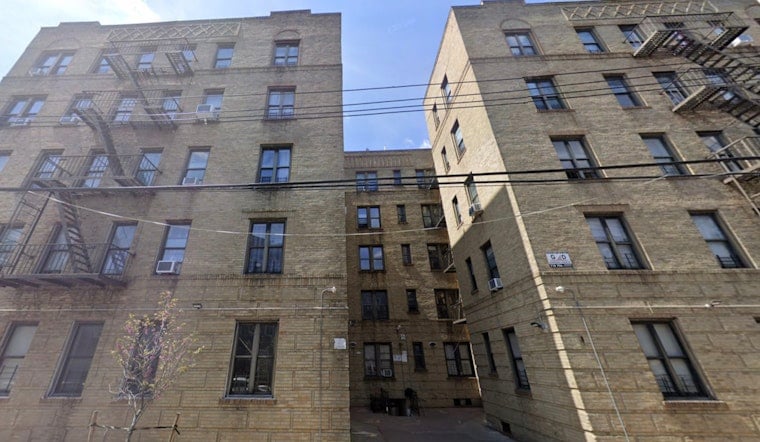
San Francisco-based Prana Investments is staring down a courthouse pileup in New York, where lenders have unleashed at least 14 foreclosure and pre-foreclosure actions tied to its roughly 550-unit portfolio in the Bronx and Upper Manhattan. The suits, filed in late spring and early summer, accuse Prana affiliates of falling behind on loans and interest totaling more than $56 million. Tenants, city officials and neighborhood advocates are already tracking the cases to see who will actually keep the heat on and the buildings repaired if lenders take control.
According to reporting by The Real Deal, three lenders have brought cases in state court over the past four months, alleging more than $56.6 million in unpaid principal and interest on Prana’s Bronx and Harlem properties. In June, Peapack Private Bank and Trust filed four suits tied to several Bronx buildings, claiming a Prana entity defaulted on an unconditional guarantee and left more than $15.5 million outstanding. Prana told the outlet it is “actively negotiating with its lending partners to find a path forward.”
Which Lenders Have Sued
Court-tracking data from PincusCo show that ConnectOne Bank has lodged seven pre-foreclosure actions, alleging roughly $37.4 million owed across a cluster of Bronx and Harlem walk-ups. Those filings, combined with Peapack’s complaints, hit dozens of rent-stabilized apartments and go after both unpaid principal and mounting interest. The volume and scope of the cases have put particular strain on Prana’s smaller multifamily properties, where refinancing was already a tight squeeze.
Allegations Of Mismanagement And Building Conditions
The court fights are not just about missed payments. Several complaints point to troubled conditions inside the buildings, including filings that cite roughly 300 open violations with the city’s Department of Housing Preservation and Development across multiple Prana-owned properties. Another filing highlights an Immediate Emergency Declaration at a Bainbridge Avenue building in the Bronx after extensive fire, smoke and water damage. Those claims appear in lender court papers and in accounts described by The Real Deal. If a judge finds the allegations credible, one possible outcome is a court-appointed receiver who would step in to oversee repairs while the foreclosure cases move ahead.
Why Lenders Are Pulling Back
The timing of the legal push is not random. It comes as many banks are rethinking how much exposure they want to rent-stabilized housing. The Housing Stability and Tenant Protection Act of 2019 curtailed tools landlords once used to remove apartments from rent regulation, and a recent rent-freeze vote has tightened the screws further on revenue and cash flow. Industry coverage has documented a sharp pullback in lending for this kind of housing stock; Flagstar, for example, reportedly issued about $58 million in new loans to rent-stabilized buildings in 2025, a far cry from previous years, as detailed by Bisnow. The legal framework behind the 2019 law is laid out in summaries by the New York State Senate.
Legal Implications For Owners And Tenants
In New York, foreclosure is a court-driven process that does not move at lightning speed. Lenders have to prove they gave proper notice and that borrowers actually defaulted before a judge can sign off on a judgment of foreclosure and sale or appoint a receiver. State materials describe how post-judgment timelines work, including how long it can take to schedule a sale and bring vacant or distressed buildings back into regular use. Those steps, outlined in guidance from agencies like the New York Department of Financial Services, mean that even once a lender wins in court, any ownership change can still be months away.
Prana, a long-running buyer in the Bronx and Upper Manhattan, says it is negotiating with lenders while the cases move through Bronx and Manhattan courthouses. For residents, though, the urgent concerns are simpler: working heat, hot water and basic repairs. Tenant advocates and city inspectors are expected to keep a close eye on HPD enforcement and future court filings for signs of receivership, preservation-minded sales or any other move that could shift responsibility for upkeep. However the lawsuits shake out, they highlight how a tougher lending climate and stricter rent rules have narrowed the options for small and mid-sized landlords across the city.



