

























































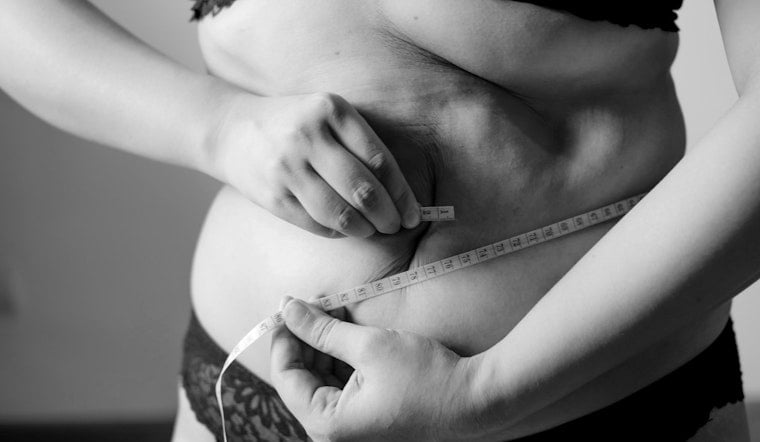
Some Chicago plastic surgeons say a worrying trend is quietly building online: people trying to suction out their own fat at home with cheap kits instead of going to an operating room. What can look like a bargain in your browser skips sterile technique, anesthesia monitoring, and other basic safeguards, turning optional body contouring into a real emergency. The fallout, according to surgeons, can range from lumpy, uneven results and infections to life‑threatening complications.
As reported by CBS News Chicago, Dr. Tae Chong, chief of the Division of Plastic and Reconstructive Surgery at Rush University Medical Center, said some women are buying kits advertised for around $95 and attempting at‑home liposuction in hopes of quick weight loss. In the segment, local surgeons warn that these low‑cost devices are not substitutes for licensed surgical care, anesthesia oversight, or peri‑operative monitoring.
Why Licensed Surgery Matters
Liposuction is a surgical procedure that uses a cannula and suction to remove fat, typically performed with anesthesia and continuous clinical monitoring. According to the Cleveland Clinic, potential complications include infection, bleeding, seroma, and, in rare cases, fat embolism, with risks increasing when the procedure is improvised outside an accredited setting. Rush University Medical Center describes liposuction and liposculpture as operations carried out by trained teams in controlled environments, underscoring why experts are firmly against home attempts.
How The Kits Turn Up Online
Online marketplaces already carry cannula sets, manual suction tools and small body‑contouring devices that can be repurposed into a DIY setup. For example, suppliers list cannula and manual kits in the roughly $90 to $105 range on Alibaba, and major retailers sell at‑home contouring devices through broad e‑commerce platforms. Plastic surgeons stress that being able to click and buy instruments does not recreate a sterile operating field, years of training or immediate emergency backup.
What Professional Groups Say
The American Society of Plastic Surgeons has issued safety advisories and practice guidance that emphasize careful patient selection, accredited facilities and trained surgical teams for liposuction. Those recommendations are aimed at reducing avoidable harm. Surgeons interviewed in the CBS piece said that home suction attempts lack sterile technique and rapid support if something goes wrong, and that anyone injured should seek urgent medical care rather than trying to fix the damage alone. Keeping records such as photos, receipts and packaging can help clinicians and regulators identify what device was involved.
How To Protect Yourself
For people considering body contouring, doctors recommend starting with a consultation with a board‑certified plastic surgeon to discuss safer surgical and non‑surgical options that match individual health needs. Consumers who experience device problems or injuries can report them to the FDA's MedWatch program; the FDA explains how to file a voluntary report and what details help regulators investigate. Patients are encouraged to bring any photos and device packaging to their clinician so complications can be treated and, if appropriate, documented for regulators.
Non‑surgical contouring options do exist, but experts say they come with limits and should still be done under professional supervision. For now, Chicago surgeons are united on one point: a cut‑rate kit is no replacement for actual surgical expertise.





