

























































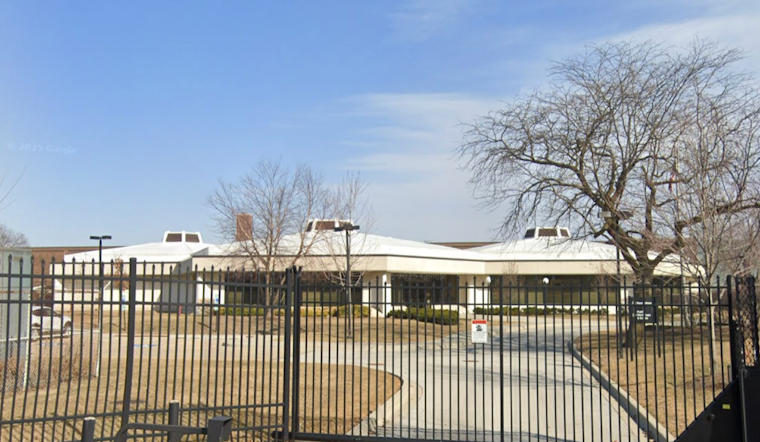
Chicago’s federal paper trail is getting ready to leave town. The National Archives’ Chicago research center is set to shut down in the coming years, and archivists say boxes could start rolling out within weeks. The move would relocate court records, immigration case files, Bureau of Indian Affairs documents and other primary material that scholars, lawyers and family historians have leaned on for decades. For people who depend on in-person access, the loss is practical, with longer trips and higher reproduction bills, and symbolic, with a piece of Chicago’s institutional memory scattered to other cities.
Agency leaders say the shutdowns are a cost-cutting move meant to trim NARA’s real estate footprint, and internal communications reportedly single out the Chicago and San Francisco facilities for closure, with records slated for transfer to other sites. Archivists told reporters the agency set a timeline that could allow removals as soon as August. As reported by the Chicago Tribune, the changes were laid out to staff in an email from the agency’s chief executive.
What’s in the stacks
The Chicago branch holds permanent records created by federal agencies and courts for much of the Midwest, including naturalizations, court dockets, maritime files, Bureau of Indian Affairs case files and Chinese Exclusion Act records. The National Archives’ own National Archives page states, “The National Archives at Chicago will be closing in the next few years,” and notes that onsite and offsite reference services continue for now. Those collections range from recent court cases to older, fragile materials that are expensive to digitize, which means local, in-person access still matters for a lot of research projects.
Digitization and access problems
Digitization is nowhere close to replacing a day in the reading room. Reporting shows that far less than 1 percent of NARA’s holdings are online, leaving the overwhelming majority accessible only in person or through paid reproductions. One researcher told the Tribune they paid $149.60 to have 187 pages scanned from another branch, and staff at receiving facilities reported they can reproduce only about 400 pages at a time because of limited staffing. Those caps translate into longer waits and steeper costs for people who once could hop a train into Chicago, pull the files themselves and be home by dinner. As reported by the Chicago Tribune, the backlog and modest scanning capacity are central reasons researchers are bracing for the closure.
Tribal and legal stakes
Bureau of Indian Affairs records and local immigration case files in the Chicago collection are routinely used by tribal governments and attorneys to establish land rights, benefits and legal histories. The National Archives’ National Archives page highlights BIA records and Chinese Exclusion case files among its frequently requested holdings, which underscores how relocation could force tribal advocates and pro bono lawyers to travel farther or pay for reproductions. Lawyers and community historians warn that moving those records will raise transaction costs and slow time-sensitive legal work.
What researchers can do now
Researchers who rely on Chicago holdings are being urged to take stock now. That means checking reference lists, requesting digital copies where possible and scheduling research trips to regional facilities well in advance. Some may want to contract with local archival service providers to pull boxes and arrange scans, and to coordinate with law clinics, libraries and historical groups to share travel and reproduction costs. Meticulous notes on citations and box labels today could make it much easier to order reproductions later if those boxes end up hundreds of miles away.
What to watch next
The big questions now are timetable and scope. How many cubic feet of records will move, which collections will still be reachable locally and whether the agency will make a serious push to digitize high-demand items are all still to be answered. Local historians, tribal representatives and legal advocates will be watching NARA’s public updates and internal decisions closely as the archives finalizes its plans for Chicago’s records.





