

























































A casual game of pickleball in Chula Vista has turned into a high-voltage court battle, after a local player says she was knocked out cold by an electrified chain-link fence at a private club and is now suing the city and the facility’s operators. The complaint, filed in early July, claims the shock caused head, back and nervous-system injuries and faults the defendants for not warning patrons or shutting the courts down.
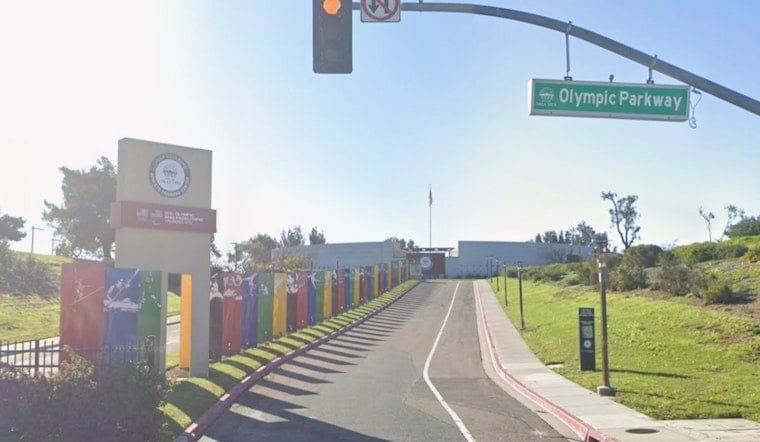
According to Times of San Diego, plaintiff Renee Love was playing at Better at Pickleball, a club located at the Chula Vista Elite Athlete Training Center, on Aug. 19, 2025, when she leaned on a black chain-link fence and says she felt a powerful jolt. The lawsuit alleges that wiring from a nearby light pole had been mistakenly connected to the fence, charging it with more than 100 volts and throwing Love onto the pavement, where she lost consciousness and suffered injuries to her head, back, body and nervous system.
Court records compiled by Trellis show Love’s complaint was filed in early July and names the City of Chula Vista, Better at Pickleball and Elite Athletic Services as defendants. The suit accuses them of negligence, premises liability and creating a dangerous condition of public property by allegedly failing to disconnect the electrical source, close or barricade the courts, authorize timely repairs or adequately warn people using the facility.
“Based on our investigation, this was not a danger that came out of nowhere,” plaintiff attorney Brian Mason said in a statement. He added that the parties responsible “have an obligation to act immediately,” according to the reporting. Staff with Better at Pickleball told Times of San Diego that the fences have since been repaired and that a plastic covering has been installed on the top to try to prevent anything similar from happening again.
What the Law Requires
California has a statutory framework for “electrified security fences” that spells out how they must be built and labeled. Under AB 2371, such fences are required to meet international safety standards, display prominent warning signs and sit behind a separate, non-electrified perimeter. That framework now forms part of the legal backdrop that lawyers and city officials are likely to examine closely as Love’s case moves ahead.
Local Parallels and Trends
The danger of unintended electrification is not just theoretical in the San Diego area. A Scripps/ABC 10 report described a firefighter who was shocked when a chain-link fence became energized near a power box during a blaze in Barrio Logan. At the same time, pickleball-related disputes have been ramping up around the region. Noise complaints, legal fights and liability questions tied to a boom in private clubs and city courts have all been on the rise locally, according to KPBS.
Legal Snapshot
For now, Love’s lawsuit is at a relatively early stage. Court dockets on providers such as Trellis indicate that the facts likely to matter most include wiring and maintenance records, any prior reports of electrical problems and whether state or local safety rules were followed. Cases that involve alleged hazards on public property operated with private partners often come down not only to technical evidence about what happened, but also to procedural timing and how each party responded once an issue surfaced.
The case is a pointed reminder that recreational facilities open to the public have to balance access and popularity with basic electrical and maintenance safety. Court filings and official responses are expected to shed more light as the lawsuit progresses.





