

























































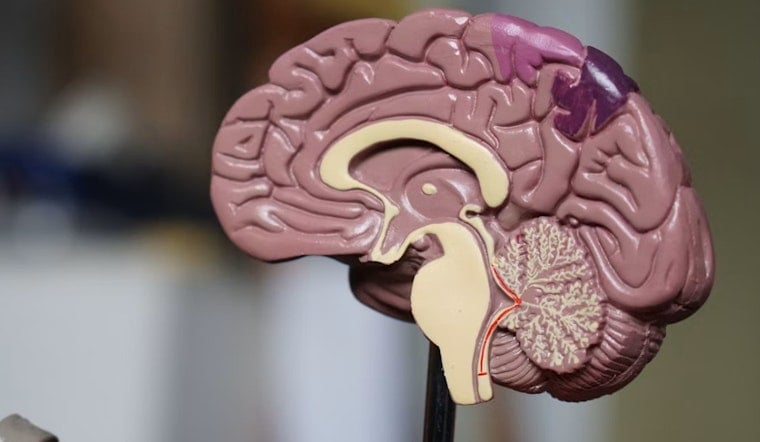
The University of Cincinnati and UC Health on Tuesday launched the Center for Alzheimer's and Neurodegenerative Diseases Research (CANDR), installing the new effort at the UC Gardner Neuroscience Institute in Corryville. The center is built to plug clinical care, imaging and pathology into a long-term research program that tracks brain health starting in early adulthood. Its flagship project, the L.I.F.E. Brain Health Study, is aiming to recruit 10,000 adults across Ohio, Northern Kentucky and West Virginia. Leaders say the focus is squarely on earlier prevention and broad community outreach instead of waiting to act until cognitive decline has already taken hold.
What CANDR Will Study
CANDR pulls together faculty from neurology, nursing and related departments to investigate how vascular health contributes to cognitive problems, how nutrition and lifestyle choices shape risk, and how more people can get access to clinical trials, according to University of Cincinnati. The center is setting up dedicated cores for imaging, neuropathology and outreach, and plans to offer pilot funding and research education to train the next generation of dementia investigators. Organizers say the structure follows national Alzheimer disease research center models so that data and resources can be standardized and easily shared with other institutions.
Study Scale and Recruitment
The L.I.F.E. Brain Health Study is slated to enroll 10,000 participants ages 18 to 34 across Ohio, Northern Kentucky and West Virginia, tracking biomarkers, imaging findings and lifestyle factors over time, as reported by the Cincinnati Business Courier. Investigators say starting with younger adults is meant to pinpoint vascular and environmental risks long before symptoms show up, while also building a pool of volunteers for future prevention trials. The outreach core is expected to work both in city neighborhoods and across more than 100 Appalachian counties within the tri-state region to find and follow those participants.
Why Federal Designation Matters
UC leaders are describing the launch as a "foundational step" toward securing a federal Alzheimer's Disease Research Center designation, which would connect the local effort to national platforms for sharing data and biological samples, according to the National Institute on Aging. ADRC status brings standardized data collection requirements and access to the National Alzheimer's Coordinating Center, resources that can help accelerate multi-center clinical trials and extend the reach of discoveries made in Cincinnati. For universities, the designation also opens doors to competitive federal funding and formal collaborations with long-standing centers across the country.
Local Funding and Backing
The new center is supported by institutional commitments from the UC College of Medicine and UC Health, along with significant private philanthropy. The UC program previously received a $5 million boost from the L.I.F.E. Foundation to help launch pilot projects and the brain-health study. University officials also credit ongoing support from the James J. and Joan A. Gardner Family Foundation as central to growing both clinical and research capacity. That local backing is intended to fast-track studies and fellowships while the center works toward larger federal grant opportunities.
Next Steps and Community Outreach
"By focusing on vascular health and environmental factors early in life, we believe we can meaningfully reduce the number of people affected by dementia," CANDR co-director Hyacinth I. Hyacinth said in a university statement. The center plans to coordinate outreach and recruitment through UC Health clinics, community partners and an Outreach, Recruitment and Engagement Core that aims to reach both urban neighborhoods and more than 100 Appalachian counties, according to University of Cincinnati. Organizers say that networked strategy is intended to diversify the volunteer pool and channel participants into prevention trials and pilot studies as they come online.




