

























































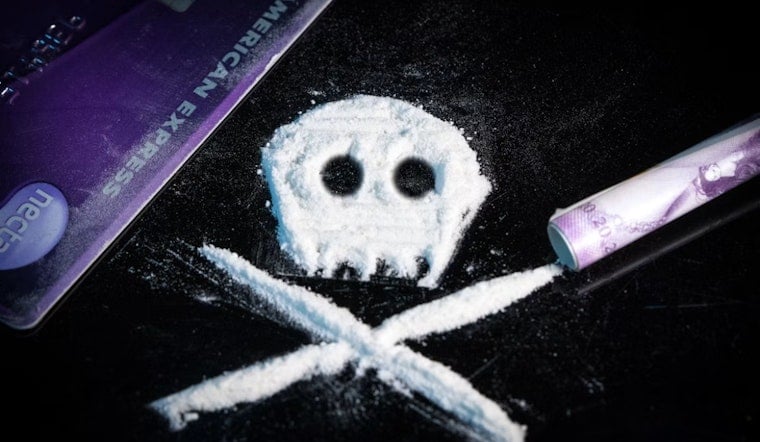
Cuyahoga County health officials say the local overdose landscape has flipped. The medical examiner’s office announced this week that cocaine has now surpassed fentanyl as the drug most often involved in overdose deaths, and it is rolling out a new public-awareness push called Signs of OD. Even as fentanyl-related deaths have dropped sharply over the past two years, the shift in what is killing people is forcing county leaders to widen their focus from opioids alone to stimulants as well.
Medical Examiner: Cocaine Now Outpaces Fentanyl
Dr. Thomas Gilson, the Cuyahoga County medical examiner, recently told local leaders that the county is now recording more overdose deaths involving cocaine than fentanyl. Senior epidemiologist Manreet Bhullar reported that fentanyl-involved deaths are down by about 70% over the last two years, a steep decline that is not yet translating into the kind of overall relief many had hoped for.
Gilson also unveiled signsofod.org, a site his office says is designed to help people recognize the signs of overdose and adopt safer practices, including not using drugs alone. As reported by WOIO, the Signs of OD campaign is meant to help residents, families, and service providers keep pace with a drug supply that keeps changing faster than many systems can respond.
National Backdrop: Stimulant Deaths Climb
Public-health researchers say Cuyahoga County is not an outlier. Across the country, overdose deaths involving stimulants such as cocaine and methamphetamine have risen in recent years, often appearing in combination with opioids in toxicology reports. According to a report from the CDC, stimulant involvement continued to increase through mid-2024, and many of those deaths also involved opioids.
That mix means a drop in fentanyl deaths can still coexist with stubbornly high or even rising overall overdose numbers if stimulant-related harms are climbing at the same time.
What Officials Say Needs To Happen Now
In response, Gilson and other local leaders are calling for layered harm reduction rather than a single silver bullet. That includes getting naloxone into as many hands as possible, expanding drug testing and checking, and tailoring prevention and treatment efforts to reach people who use stimulants, not just opioids.
They emphasize that while naloxone can quickly reverse opioid-driven respiratory depression, emergencies linked to stimulants often look different and may require rapid cardiac or stroke care instead of an opioid antidote alone. Gilson has described Signs of OD as an effort to “meet people where they are” and move lifesaving information into neighborhoods, according to WOIO.
Why Naloxone And Testing Still Matter
Naloxone (Narcan) is an opioid antagonist that can rapidly reverse an opioid overdose, but it does not treat heart attacks or strokes that can be triggered by stimulants. Even so, experts say it remains crucial for people who use cocaine or other stimulants to carry naloxone because many street stimulant supplies are contaminated with opioids.
The American Heart Association notes that naloxone plays a central role in reversing opioid-related respiratory failure, while emergency cardiac care is key when stimulants are involved. In a street market where drugs are frequently mixed, fentanyl test strips, broader drug-checking options, “buddy” systems so people do not use alone, and quick 911 calls are all viewed as important tools.
Where Cuyahoga Residents Can Turn For Help
Local harm-reduction and treatment options remain in place as the county adapts to the new trends. Programs such as Project DAWN and other county partners continue to distribute naloxone and offer referrals, and community pages list locations where residents can obtain free fentanyl test strips and related services.
The ADAMHS Board of Cuyahoga County and its affiliated clinics maintain resource lists and drop-in sites for naloxone, testing information, and treatment connections. For specific distribution locations and details, residents can consult the ADAMHS Board’s information on community resources.
County officials say they will keep tracking toxicology and death-investigation data and will adjust outreach strategies as the drug supply evolves. In the meantime, public-health leaders urge anyone concerned about a loved one to keep naloxone nearby, avoid using alone whenever possible, and call 911 immediately if an overdose is suspected.





