

























































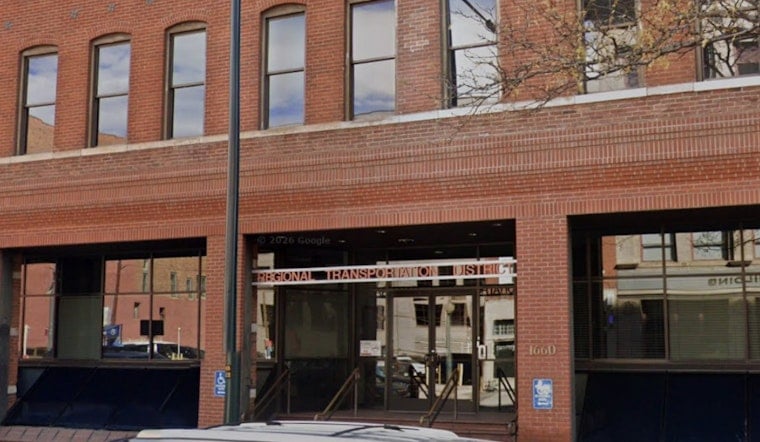
A small software tweak at the Regional Transportation District elevators is turning into a big story for Denver transit security. By simply reprogramming elevator doors to stay open when idle, RTD has seen sharp drops in reports of unwanted activity at several stations, including a reported 77% decline at one spot. What started as a 90-day pilot in March 2024 has now been expanded as part of a broader effort to make stations feel safer for riders and staff.
The idea is straightforward. With doors open, elevators are more visible, which riders and transit police say discourages loitering and illicit behavior while keeping the equipment available for people who actually need it. RTD officials say the early results are promising enough that they plan to keep rolling the program out to more stations this summer.
What RTD changed and what happened next
RTD says a simple reprogramming of public elevator doors so they remain open when not in active use has led to steep reductions in calls for service tied to unwanted behavior and maintenance. At some stations, the drop has been as high as 77%.
According to RTD, Sheridan Station saw calls fall from 570 in 2024 to 127 in 2025 after the change. At Lakewood•Wadsworth, officials recorded notable decreases in reports of illicit drug activity once the elevators were reprogrammed.
The technical fix is not especially complicated. RTD says it takes roughly 90 minutes to two hours per elevator to complete the software adjustment and that it costs about $436.08 per hour to implement. For the agency, that price tag lands in the "comparatively low cost" category for a security deterrent.
Riders and police say it is changing the feel of stations
Riders have been telling local reporters that the extra visibility inside elevators makes them feel safer. One frequent commuter told Denver7 the new setup gives him more "peace of mind" when he uses the system.
RTD Transit Police leadership has also pointed to a growing detective unit and stepped up fare enforcement, along with environmental fixes like the elevator change, as contributors to the decline in incidents. Officials stress that the door-setting tweak is only one tool in the toolbox, not a cure-all for crime.
How does this fit into the bigger security picture
RTD tracks security issues through a public dashboard that shows roughly 34,000 security-related calls for service in 2025. In January 2026 alone, the agency reported about 2,728 such calls amid approximately 5.2 million boardings.
By RTD’s math, that works out to about one security call for every 1,900 boardings. The metric includes calls and texts to the Transit Police Dispatch Center, radio communications, and Transit Watch app reports. Officials use those numbers to decide where to focus enforcement and environmental changes.
The elevator program is one piece of a broader Crime Prevention Through Environmental Design strategy, often shortened to CPTED, that also includes upgraded lighting and more cameras. The overarching goal is to make stations feel safer and more welcoming for regular riders while making them less appealing to people looking to cause trouble.
Why do design and safety experts like this tactic
The elevator tweak fits neatly into CPTED principles. The philosophy favors relatively modest design or operational changes that reduce opportunities for crime by increasing visibility and natural surveillance instead of relying only on more officers.
Transit industry outlets have started to note Denver’s approach as a practical example. As Progressive Railroading reports, agencies that combine small physical changes with better sightlines and more consistent patrols often see measurable security improvements.
RTD also has to operate within federal accessibility rules. Federal guidance limits how elevator doors can be timed and how they operate. Transit agencies must balance crime deterrence tactics with safe, ADA-compliant elevator service, according to the U.S. Access Board.
What riders should look for next
RTD says it plans to continue expanding the elevator reprogramming to more stations over the summer while it watches the data. Riders who depend on elevators are being urged to keep reporting outages and safety concerns through RTD's Service Alerts and the Transit Watch app so transit police and maintenance crews can respond quickly.
For now, the message from RTD is that a small software switch is helping change how safe stations feel, and that the agency intends to keep testing and tweaking the system as more numbers come in.





