

























































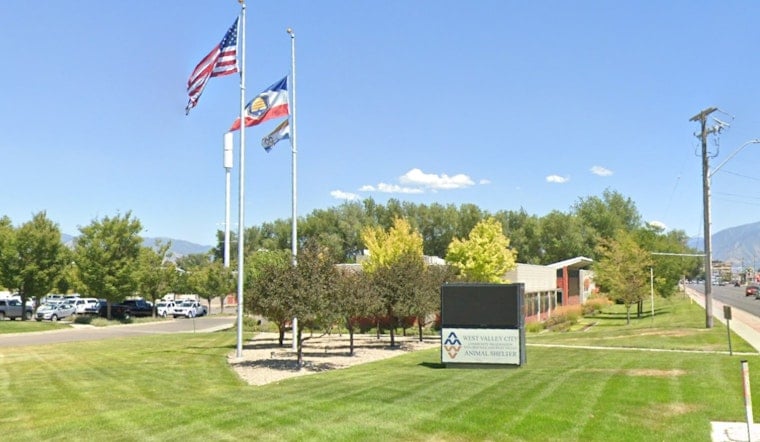
Inside West Valley City Animal Services, some volunteers say the air has started to feel less like a haven and more like a sticky summer garage. They report that temperatures and humidity in parts of the shelter are creeping up to, and in humidity even topping, professional guidelines for animal housing as the facility leans on fans and portable evaporative coolers during a run of hot Utah weather.
Robert Harlow, a six-year volunteer at the shelter, told KMYU that photos taken indoors showed a reading of 80 degrees with 75% relative humidity. He said volunteers bought their first two large portable swamp coolers in 2023 and, over the past several years, have purchased a total of five to help keep animals comfortable.
Why The Swamp Coolers Are Not A Full Fix
Evaporative coolers work by blowing air over water to drop the temperature, but the more humid it gets, the less effective that setup becomes. The Association of Shelter Veterinarians recommends keeping animal housing between 64 and 80 degrees, with relative humidity between 30% and 70%, according to its shelter-care guidelines.
That puts the reported 80-degree, 75% humidity reading right at the top of the temperature range and over the recommended humidity level. Volunteers said dogs have already been moved out of rooms that proved especially hard to cool. Harlow also told KMYU that in 2024 he was told more coolers were needed after dogs were observed panting and vomiting. The station reported it could not independently verify whether any animals actually suffered heat-related illness.
Animal Services Director Melanie Bennett described the situation as more occasional flare-ups than constant crisis. She told KMYU that recent humidity has been unusually high and that temperature problems have been sporadic. She said the shelter’s cooling systems underwent an overhaul in fall 2025 and that dogs have access to water, are watered twice daily or as needed, and are allowed outdoor play when conditions permit, even as outside temperatures have approached 100 degrees.
The City Has Not Identified A Permanent Solution
On paper, the city’s role is clear. West Valley City’s Animal Services page says the department is responsible for the care of companion animals and public service in the community. Yet in its latest response, city officials have not laid out a specific long-term plan to solve the shelter’s recurring cooling issues.
Local law sets a baseline, at least in broad strokes. West Valley City’s animal-services code says the city must provide suitable premises and facilities where impounded animals can be adequately kept and must provide humane care, according to the city code. That language does not by itself establish whether the current temperature and humidity conditions violate the law, but it does give residents a clear standard for asking when a seasonal patch job starts to look more like a building problem.
For now, volunteers want the city to treat permanent, reliable cooling as a priority rather than a yearly repair project. The immediate safeguards at the shelter, including ready access to water, individual monitoring, moving dogs between rooms, and limiting outdoor time during the hottest periods, may reduce the short-term risks. They still do not answer the larger question hanging over the kennels: whether the building can consistently keep animals within safe ranges once the heat cranks up and every cage is full.




