

























































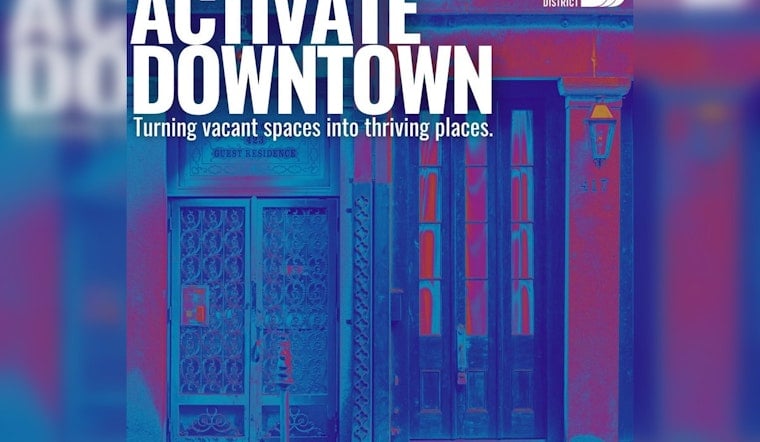
Empty display windows and papered storefronts in downtown New Orleans might be on borrowed time, with the Downtown Development District rolling out cash to help turn long-vacant spaces into real, operating businesses.
The new matching grant program, called Activate Downtown, will cover up to half of eligible tenant build-out costs and pay as much as $20,000 per project. Applications are being accepted from July 13 through Oct. 15, with recipients set to be announced Nov. 2. The pilot is aimed squarely at parts of downtown that have been sitting on year-plus vacancies and need a push to bring back street life.
As outlined by the Downtown Development District, the program prioritizes projects that put long-empty ground-floor storefronts back into use and that support locally owned, independent businesses. "Bringing vacant storefronts back to life directly advances our mission to make Downtown cleaner, safer, and stronger," DDD President and CEO Seth Knudsen said in the release.
The DDD lists eligible improvements that include accessibility upgrades, lighting, signage and security work to help turn dormant spaces into active, street-facing businesses.
Who Can Apply And What Is Excluded
Both property owners and tenants can apply, as long as the space is a ground-floor commercial unit that has been vacant for at least one year. Leases must run at least 24 months and, in many cases, must be signed after July 13, according to NOLA.com.
Not every business model is welcome. The program excludes chain and franchise operations, and it bars specific uses such as massage parlors, strip clubs, smoke shops, pawnbrokers, psychics and churches. Spaces over 10,000 square feet are also ineligible, NOLA.com reported.
How The Money Works
Grants will match up to 50 percent of eligible renovation costs, with awards capped at $20,000 per project. Interior demolition and build-out, signage, security improvements, permits, labor and materials are all on the approved list.
The money cannot be used for equipment purchases, professional fees or ongoing operations. It is meant as gap financing that helps get deals over the finish line, not as a full funding source for big-ticket projects. Recipients are expected to keep their retail locations open for at least 12 months after construction is complete, a requirement designed to make sure newly activated blocks stay that way.
Scoring And Local Priorities
Applications will be scored, and some projects will get a leg up. Proposals that are part of larger vacant properties, those that offer clear crime-prevention benefits, and small, locally owned businesses opening their first location all earn extra points. Storefronts that have been vacant for more than two years and projects along Canal Street also receive scoring bonuses.
The DDD has set aside $60,000 for the pilot and plans to award at least three grants, with the program potentially expanding in the district board's 2027 budget cycle, NOLA.com reported. Organizers say the grants are meant to reduce deal friction and leverage private investment to bring more foot traffic downtown.
How To Apply And Key Dates
Applications are open from July 13 through Oct. 15, and the first batch of grant recipients will be announced Nov. 2. Complete guidelines and the application form are available on the DDD website, and finished application materials can be emailed to [email protected], according to the Downtown Development District release.
Applicants need to be ready to show a 24-month lease and a budget that clearly separates eligible build-out costs from equipment and operating expenses.
Knudsen said the grants "will make it easier for entrepreneurs to invest in Downtown" and could help unstick deals that might otherwise stall out. While the pilot fund is modest, organizers argue that even a handful of activated storefronts can change street dynamics and encourage other tenants to jump in. If the program delivers, the DDD may seek a larger commitment in next year's budget cycle to scale up the effort.





