

























































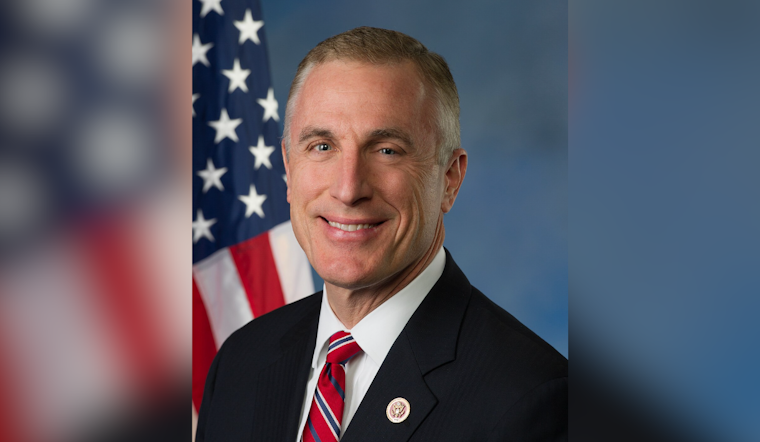
Tim Murphy, the former U.S. congressman and Pennsylvania state senator who long represented Pittsburgh's southern suburbs, died Sunday at age 73 after what authorities described as an apparent heart attack at his home. Emergency responders found him there, closing the book on a political career that helped shape southwestern Pennsylvania for more than two decades.
According to TribLIVE, Murphy was pronounced dead after the apparent heart attack. Washington County Commissioner Nick Sherman, who served as Murphy’s field director from 2003 to 2005, called him "a true statesman who cared deeply about the people he represented," and former Tribune-Review editorial page editor Colin McNickle said Murphy left a "steadfast devotion to improving mental health services for those on the fringes and in dire need."
Murphy first won elected office in 1996 when he captured a Pennsylvania state senate seat, then moved to Congress in 2002. He served in the U.S. House from January 2003 until his resignation in October 2017. He earned a doctorate in psychology from the University of Pittsburgh and worked as a practicing psychologist and adjunct professor alongside parts of his political life. These biographical details are recorded by the U.S. House's History, Art & Archives, which lists his service dates and academic background.
Murphy's Record on Mental Health
In Washington, Murphy carved out a reputation for mental health policy. As chairman of the Energy and Commerce Oversight and Investigations Subcommittee, he pushed federal reforms aimed at expanding access to psychiatric care and improving family access to information during crises. He was the lead sponsor of the Helping Families in Mental Health Crisis Act (H.R. 2646), a measure that influenced mental health policy discussions in Congress and informed subsequent reforms. The committee report and bill text are available on Congress.gov.
His congressional career ended in scandal in 2017 after published text messages showed he had an extramarital relationship and urged the woman involved to terminate a suspected pregnancy. This revelation triggered calls for his resignation. The Washington Post reported that he announced he would step down, and he vacated his seat on Oct. 21, 2017.
No immediate details on funeral arrangements or survivors were available, per TribLIVE, which first reported his death. Local officials and former staffers offered condolences as the region reflects on a lawmaker whose high-profile work on mental-health policy and the controversy that ended his tenure left a complicated imprint on Pittsburgh-area politics.



.jpg)