

























































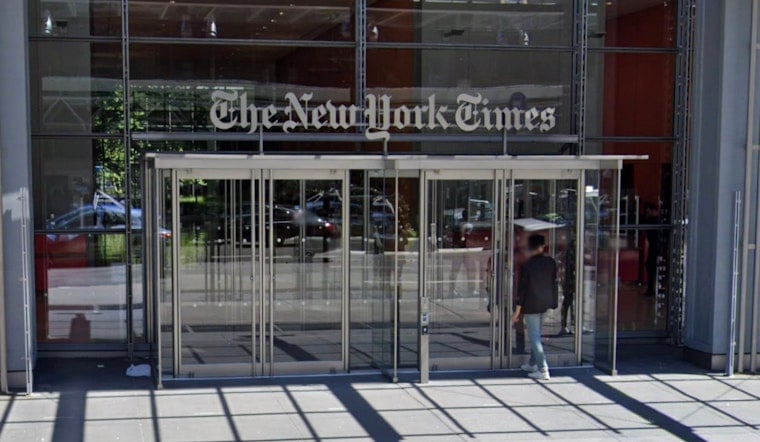
Federal prosecutors in Manhattan have subpoenaed several New York Times journalists, ordering them to appear before a federal grand jury over their reporting on President Donald Trump’s new Qatari-donated Air Force One. The papers, reportedly signed by the U.S. attorney in Manhattan, were delivered by federal agents to some reporters' homes, an unusually aggressive touch that immediately set off alarms among newsroom leaders and press-freedom advocates who warned the move could chill national-security reporting.
According to The New York Times, the subpoenas were issued on Friday by Jay Clayton, the U.S. attorney in Manhattan, and direct the journalists to "testify in regard to an alleged violation of federal criminal law." The Times says its lawyers are reviewing the documents and that the paper will fight the demands in court. The reporters named in the subpoenas all had bylines on recent stories raising security questions about the Qatari-donated jet.
Reporting at the Center of the Dispute
The contested articles pressed on whether the Qatari gift had been equipped with the same anti-missile and wiring-hardening systems that protected the previous presidential aircraft, and national-security experts flagged gaps in the public descriptions of the retrofit. Forbes and other outlets also pointed to discrepancies in officials' accounts of the work done on the plane. Because the jet is being used for presidential travel, the reporting stirred fresh scrutiny of how transparent the government has been about its security features.
Who Signed the Papers
Reporting indicates the subpoenas were authorized by Jay Clayton, the Manhattan U.S. attorney who was nominated by President Trump in June to be director of national intelligence. The Guardian has detailed Clayton’s rapid rise from private practice to federal prosecutor and then to a high-profile White House pick. His role in approving the subpoenas, combined with the choice to use a Manhattan grand jury, gives a sharp political edge to what started as straight-ahead investigative reporting about a government aircraft.
Part of an Escalating Pattern
The Times subpoenas follow a series of recent Justice Department efforts to pull reporters into leak investigations, either by seeking their testimony or their records, moves that news outlets have repeatedly challenged. The Washington Post reported in late June that the department had briefly tried to force journalists at other organizations to testify before grand juries, then backed off some of those efforts after legal pushback. Press-freedom groups say the sequence suggests a troubling pattern for the First Amendment and for the confidentiality that sources often rely on.
Legal Stakes for Reporters and Sources
Justice Department guidelines say subpoenas aimed at members of the news media are supposed to be approved at high levels and used only in narrow circumstances, as laid out in the department’s own policies. The Justice Department describes procedures designed to protect newsgathering while still allowing prosecutors to pursue criminal leak cases in limited situations. News organizations almost always challenge such demands in court; when those challenges fail, reporters can face contempt proceedings and other sanctions that may expose confidential sources.
The New York Times has pledged to defend its reporting and described the subpoenas as an unusually aggressive step it plans to contest before a judge. Other newsrooms and civil-liberties groups are watching closely to see how courts weigh the government’s stated need to investigate leaks against the protections traditionally afforded to the press. In Manhattan, the fight will unfold in federal court filings that could reshape how willing sources are to talk with journalists about classified or otherwise sensitive government programs.





