

























































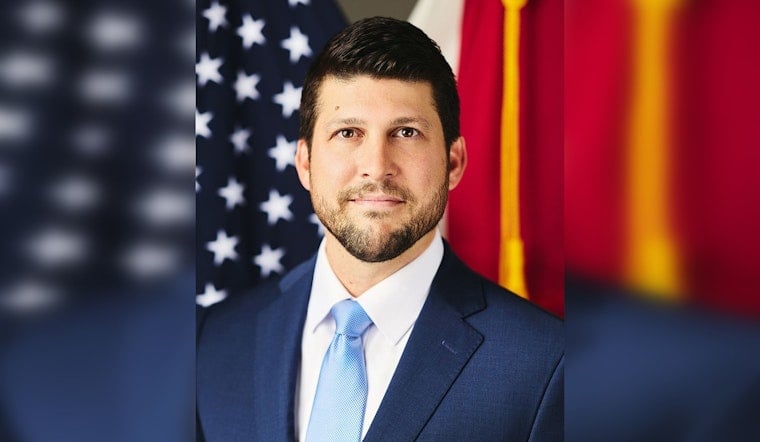
Florida Attorney General James Uthmeier has slapped Fair Isaac Corp., the company behind the ubiquitous FICO credit score, with a civil subpoena, kicking off a state investigation into whether its pricing and licensing tactics have choked off competition and shifted costs onto borrowers. Uthmeier is casting the probe as a pocketbook issue for Floridians who may be paying more for mortgages, auto loans, and other credit products because of higher scoring fees. The move ramps up pressure on the credit scoring business at a moment when regulators and lawmakers are already grilling firms over climbing per-score costs.
According to Florida Politics, the subpoena demands a wide array of material from FICO, including communications with major credit bureaus about rivals, historical pricing for scoring products, license agreements, and documents previously turned over in related federal antitrust cases. The request also covers internal antitrust compliance reviews, training content, and internal estimates of FICO’s market share. Uthmeier says the goal is to make sure Floridians get fair access to credit, not a system that quietly makes borrowing more expensive.
In its investor disclosures, FICO lists its principal executive offices in Bozeman, Montana, and describes an array of scoring and analytics tools that it sells to lenders and fintech firms. FICO says its scores are widely used across the lending industry and that it supplies analytics services to both banks and nonbank lenders. The company has drawn growing industry and regulatory attention in recent months as questions about how it prices scores have piled up.
The subpoena arrives as credit score pricing is becoming a political talking point in Washington. As reported by HousingWire, Sen. Josh Hawley and other lawmakers have pressed FICO over sharp hikes in per-score fees, arguing those increases can snowball into hundreds of millions of dollars in added costs across the mortgage market. Industry groups and some in Congress warn that higher scoring fees land hardest on first-time buyers and on borrowers who shop around with multiple lenders.
What the subpoena asks for
Uthmeier’s subpoena reportedly calls for a broad catalog of FICO records, including detailed pricing histories for scoring services, license and reseller deals with credit bureaus, and communications involving competitors. It also seeks internal antitrust reviews, training materials, and market share analyses that could show whether particular pricing or contract terms boxed out rivals. If those documents are produced, they could give Florida regulators a much clearer view of how FICO actually sets its prices and whether that conduct hurt competition and consumers in the state.
Why it matters for borrowers
Even relatively small increases in per-loan scoring or licensing fees can add up across thousands of transactions, which can nudge closing costs higher or prompt lenders to pass more expenses to borrowers. HousingWire has reported estimates that recent pricing shifts could have large cumulative effects on the mortgage market, a concern that has caught the eye of regulators and consumer advocates. For Florida buyers already feeling the squeeze from down payments and interest rates, extra charges tied to credit checks and underwriting can be more than just an annoyance.
Legal implications for FICO
The civil probe is proceeding under the Florida Antitrust Act, which gives the attorney general authority to investigate and challenge conduct that restrains trade or undermines competition. As outlined in Florida Statutes, the state can pursue injunctive relief and civil penalties for anticompetitive behavior, and civil investigative demands and subpoenas are a standard starting point. Depending on what the subpoenaed records reveal, the matter could end in a negotiated settlement, a state civil lawsuit, or coordinated action with federal antitrust enforcers.





.jpg)