

























































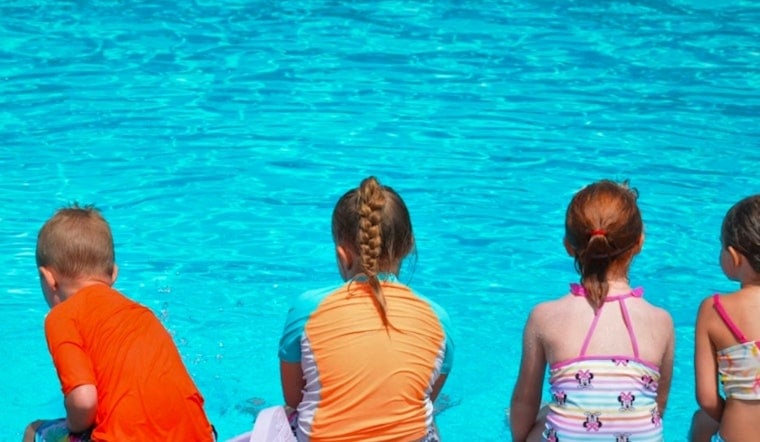
Florida just widened the life raft for families trying to get their kids swim-ready. As of July 1, the state’s swimming-lesson voucher program now covers children ages 1 through 7, up from the previous cutoff at 4, even as officials warn that 2025 was a record year for child drownings and early 2026 numbers suggest this summer could be even worse.
What the law does
Senate Bill 428 expands the Swimming Lesson Voucher Program so that, if families meet the existing income and eligibility rules, any child between ages 1 and 7 now qualifies, instead of only those 4 and under, according to The Florida Senate. The measure also orders the Department of Health to create standardized drowning-prevention and safe-bathing materials for postpartum education, so new parents leave the hospital with more than just birth paperwork.
The bill’s provisions take effect July 1, 2026. A House committee analysis notes the Department of Health currently has $1 million in recurring funding to support the program in this fiscal year.
Officials point to rising drownings
Local coverage and public-health officials have framed the expansion as a direct response to a deadly trend. Reports say 2025 marked a recent high in child drownings, and early 2026 data have safety advocates on edge about what the peak summer months might bring.
As reported by CBS News Miami, supporters pitched the broader voucher window as one concrete tool to blunt those numbers, especially in a state where backyard pools and year-round swimming are part of everyday life.
Demand far outpaces supply
The appetite for help is huge compared with the money behind it. In the current fiscal year, the Department of Health received 16,663 applications but was only able to award vouchers to 4,945 families, according to WLRN. That is less than a third of the families who asked for assistance, a gap lawmakers and advocates point to when they argue the program needs more cash.
When vouchers are scarce, the state gives priority to children with autism and to active-duty military families, a triage approach meant to keep the most vulnerable kids from slipping through the cracks.
How the vouchers work
Under the state program, eligible families receive vouchers that cover eight 30-minute swim lessons. Vendors approved to accept the vouchers are reimbursed at a flat rate for each completed eight-lesson package, according to a House committee analysis. To qualify, households must have incomes at or below 200% of the federal poverty level, which means the help is targeted squarely at low- and moderate-income families.
The same analysis notes that children under age 1 remain excluded from the voucher program, even with the age expansion, and that the Department of Health expected to award about 5,250 vouchers in fiscal year 2025–26.
What parents should know
The Florida Department of Health’s web page for the program shows the most recent application window closed on March 20, 2026, and advises families to check back for the next round. The site also lists approved lesson providers so parents can see who in their area accepts the state vouchers.
Safety advocates largely welcomed the age expansion but warn that the law is only as strong as the funding behind it. “It ensures that new parents have access to drowning-prevention information resources,” State Rep. Anna Eskamani said in comments reported by WLRN, while others argue that the long waitlists and high demand show the state still has a lot of work to do to keep kids safe around the water.





