

























































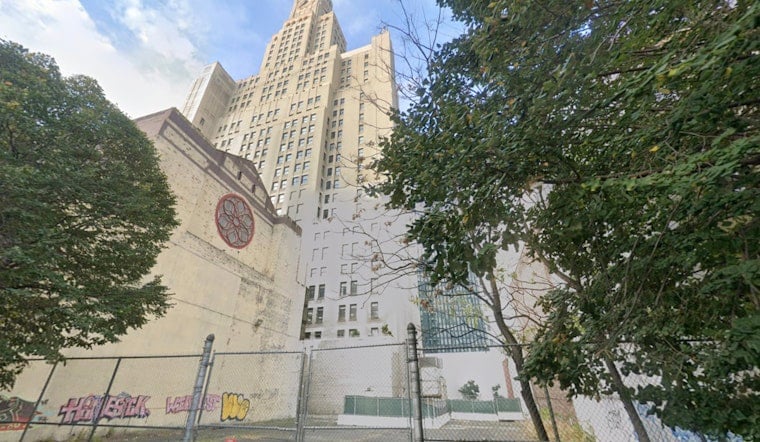
A long-vacant parking lot a block from Atlantic Terminal is finally on track to trade cars for tenants, with a roughly 150-unit apartment tower and expanded space for the Brooklyn Music School headed for Fort Greene. Quinlan Development Group bought the parcel at 130 St. Felix Street earlier this year and has secured acquisition financing, nudging a long-debated project closer to shovels in the ground. The plan also revives years of neighborhood battles over scale, views and new towers inside the BAM historic district.
Quinlan’s purchase of 130 Saint Felix Street was recorded in April, and public records show the deal closed for about $17 million, according to PincusCo. The developer also lined up roughly $23.5 million in acquisition financing from Mavik Capital for pre-development costs, as reported by Commercial Observer. Quinlan bought the lot from Gotham Organization, which had previously pushed an earlier tower proposal, and the financing clears an early hurdle toward actually delivering housing on the site.
What’s Planned
Quinlan’s current concept calls for a roughly 23-story mixed-use building with ground-floor retail and an expansion of the Brooklyn Music School, replacing the surface parking lot at 130 St. Felix Street, according to project listings and design materials. Industry databases and local listings put the count at about 149 apartments, while other coverage rounds that to roughly 150 units; CityRealty lists 149 units while Crain’s New York Business summarized the project as about 150 units. Design work traces back to FXCollaborative, whose past renderings show a façade intended to sit comfortably in the BAM historic district’s context, according to FXCollaborative.
Site Cleanup And Contamination
The parcel is enrolled in New York State’s Brownfield Cleanup Program as site C224306. State fact sheets and an extensive Remedial Investigation identify volatile organic compounds, semi-volatile organics, metals and PCBs in soil and groundwater that must be addressed before major excavation can proceed, according to state filings. The Remedial Investigation report spells out sampling and remediation steps the volunteer applicant has to take, and Department of Environmental Conservation public notices invited community comment on a proposed cleanup plan. That environmental work, and any resulting cleanup covenant, will be a prerequisite for deep construction on the lot under state requirements.
Neighborhood Reaction And Approvals
The tower plan drops straight into a familiar Fort Greene fight between pro-housing advocates and neighbors wary of blocked views, shadows and a high-rise abutting landmarked buildings. Supporters argue that the project would help finance an enlarged Brooklyn Music School and create community facility space. Opponents pushed back during ULURP hearings, and Community Board 2 previously voted against an earlier rezoning. Local reporting has followed public testimony, the Landmarks Preservation Commission’s approval of a revised design in 2020 and the litigation that landed after those approvals, according to Brownstoner.
Next Steps And Timeline
The development still depends on discretionary approvals and completion of the environmental remediation before any serious construction can start. The city’s environmental review documents for the earlier proposal anticipated roughly a 27-month construction period and set an (E) designation to manage hazardous materials, air quality and noise controls. The Department of City Planning’s CEQR paperwork for CEQR number 21DCP083K outlines those conditions and the broader environmental record, according to City Planning / OER. Industry coverage also notes that the project would qualify for a 485-x tax abatement because a portion of the units are planned as income-restricted, a detail developers say is critical to making the numbers work, according to Commercial Observer.
Legal Implications
Legal and procedural obstacles are still in play. Opponents have previously sued to overturn approvals, and the City Council record includes public testimony and written submissions that will feed into final votes. City filings and testimony on the council docket lay out remaining steps for zoning amendments, special permits and restrictive declarations tied to remediation, any of which could slow the schedule, according to the City Council docket. If fresh litigation or a council decision stalls the plan, the remediation and construction timeline could slip, leaving this Atlantic Terminal block in limbo a while longer.



