

























































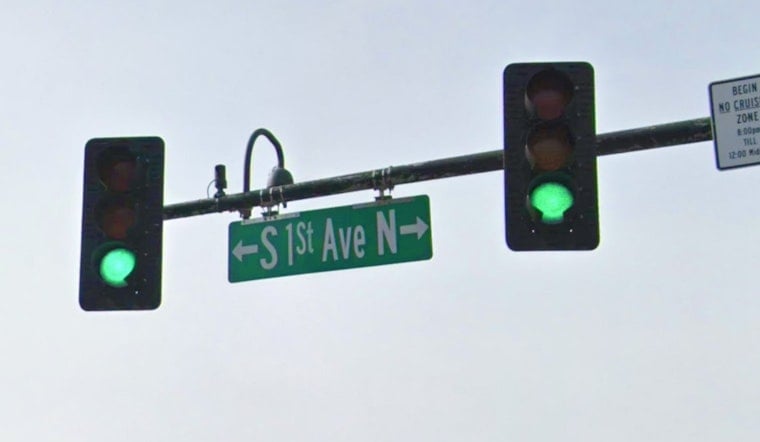
Franklin officials are rethinking what belongs in the city’s smallest downtown district and where power-hungry data centers should be allowed to land. At a workshop this week, aldermen and city planners walked through draft zoning changes that would tighten design rules in the compact First Avenue District and push large server farms farther from homes. Staff were told to fine-tune the language and mapping before anything heads to a formal vote.
What officials reviewed
Meeting jointly, the Board of Mayor and Aldermen and the Franklin Municipal Planning Commission dug into a proposed zoning ordinance that would limit data centers to light-industrial districts and require at least a quarter-mile buffer from residential neighborhoods. The draft also tweaks where certain commercial uses can operate and adds new triggers that would force some projects into the development-plan review process, according to the Williamson Herald.
How current and proposed rules differ
Right now, Franklin’s zoning code says a data center’s building footprint cannot sit within 500 feet of an arterial street, and the use is listed in the principal-uses table for several commercial and industrial districts. Under the new draft, those siting rules would get tighter and the way the use is categorized on the zoning map would shift, according to the city’s Franklin Zoning Ordinance.
First Avenue District changes and floodway parking
The most granular debate centered on the one-block First Avenue District, the short stretch between North Margin Street and Bridge Street along the Harpeth River. The area sits inside the city’s mapped fire and flood district, which is why commissioners zeroed in on whether updated parking rules should allow vehicles in the floodway. That question is tied to the district’s special overlay and its mapped constraints, as outlined in Municode.
Planners walked elected officials through proposed edits that would tighten roof, building material and architectural standards in the First Avenue area while still leaving room for some quirky uses in limited cases, including gas stations, miniature-golf and bowling. Staff also emphasized that any moves to convert vacant hotels into multifamily housing should go through the development-plan process one project at a time. The group spent extra time sparring over floodway parking: one commissioner said she could only accept it if drivers were clearly warned, while one alderman rejected the idea altogether, details the Williamson Herald reported.
Why this matters beyond Franklin
The local debate is playing out against a much larger regional backdrop over where and how data centers are sited. That includes a high-profile fight in Nashville over a proposed facility near the Nashville Zoo that has sparked public outcry and legal appeals. Coverage of that clash helps explain why Franklin planners say they are watching what other cities are doing as they craft their own safeguards, according to CBS News.
What’s next
City staff will now revise the ordinance language and update recommended zoning maps before bringing the package back for formal hearings at the planning commission and the Board of Mayor and Aldermen later this summer. For residents and business owners, the workshop laid bare the balancing act ahead: guard neighborhood character, respect floodplain limits and still leave enough flexibility for small downtown shops and entertainment spots to survive.





