

























































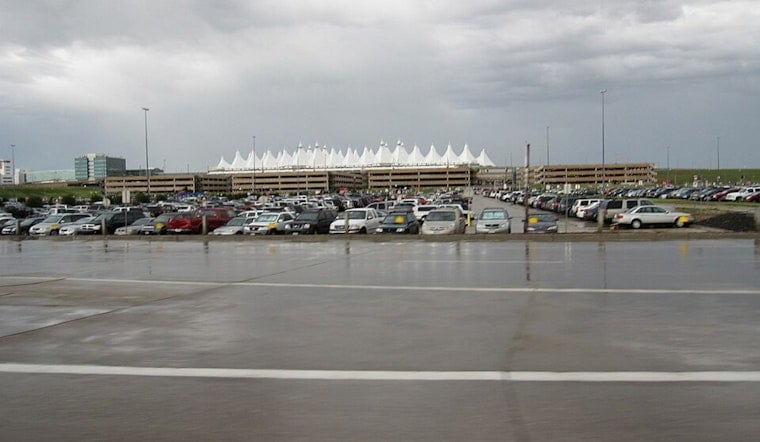
Thunderstorms rolling across Colorado's Front Range on Tuesday put Denver International Airport into a weather-induced timeout, as the Federal Aviation Administration ordered a ground delay program for flights headed into the hub. Arriving traffic slowed to a crawl, and travelers were left staring at departure boards as waits stretched into hours while storm cells marched across the metro area and eastern plains.
According to CBS Colorado, the FAA advisory applied to departures from across the contiguous United States and listed dozens of affected air traffic control facilities. The bulletin covered a window from roughly 3:00 p.m. to about 9:59 p.m., with the agency warning that average delays would run about 103 minutes and could spike to around 175 minutes. That long delay window, stacked on top of heavy summer thunderstorms, turned what might have been routine afternoon weather into a system-wide headache for airlines and connecting passengers.
How the FAA manages the flow
Ground delay programs are one of the main tools the FAA uses to keep airports from getting overwhelmed when bad weather cuts into capacity. Instead of letting planes take off and then stack up in holding patterns near a storm-soaked airport, the agency holds flights at their departure point and assigns expected departure clearance times so traffic flows more predictably. As outlined by the Federal Aviation Administration, these traffic management initiatives are coordinated across multiple air traffic control centers to ease congestion and maintain safety when arrival rates drop.
Monsoon storms behind the trouble
A surge of summer monsoon moisture has been feeding repeated clusters of thunderstorms across Colorado this week, bringing heavy rain, frequent lightning, and pockets of hail that can suddenly slash runway capacity and force wider spacing between landings. The National Weather Service office in Denver/Boulder has been flagging ongoing storms over the metro area and the eastern plains that kept conditions volatile on Tuesday. Since Denver is a major connecting hub, even relatively short periods of reduced arrival capacity can ripple across the national system and slow down flights far from the Front Range.
What travelers should expect
Airlines and the FAA urged passengers to check their flight status before heading to the airport and to be ready for rebooking or long waits at the gate when delays stack up. The FAA's daily air traffic report also directs travelers to their specific carrier for flight-by-flight details and encourages monitoring official updates as storms evolve. Anyone with tight connections through DEN was advised to expect possible disruptions, build in extra time, and be prepared for an unplanned layover with a side of patience.



.jpg)