

























































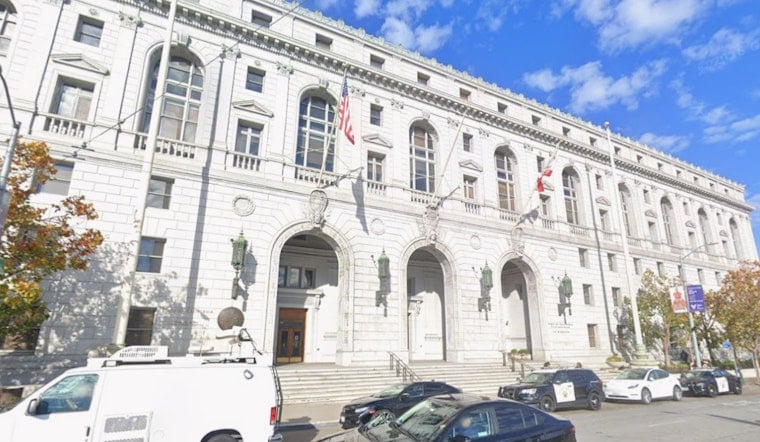
The California Supreme Court is wrestling with a deceptively simple question that could transform daily life in courthouses across the state: what happens when no one is taking anything down. The justices are weighing whether most civil courtrooms can be officially recorded when a court reporter is not present, a shift that could generate transcripts for millions of family, probate and civil hearings that currently vanish into thin air. Legal aid groups argue the existing ban leaves low income litigants without a real right to appeal. Court reporters counter that a microphone and software cannot match a trained human ear and judgment. The court heard argument in Los Angeles in early June, and whatever the justices decide is likely to reset how California creates the official record.
What the case asks
The petitioners, Family Violence Appellate Project and Bay Area Legal Aid, are asking the Supreme Court to lift a statutory ban so electronic recordings can serve as the official, verbatim record when no court reporter is available. Their point is blunt: in many civil courtrooms, there is literally no one taking a record. Attorney Sonya Winner told the justices that in many, many courtrooms throughout the state today, there is nobody there, so recordings are the only realistic way to protect the rights of many civil litigants. Advocates say those recordings could quickly preserve the right to appeal in tens of thousands of cases, as reported by the Los Angeles Times.
The numbers behind the shortage
The scope of the problem is not speculative. State data show that between April 1, 2023 and June 30, 2025 more than two million family, probate and unlimited civil hearings went forward without any verbatim record at all. According to the Judicial Branch of California, trial courts employ roughly 1,100 reporters but need several hundred more full-time equivalents to meet demand. The branch has warned that without a reliable record, many appeals are effectively dead on arrival, and significant orders in custody and restraining order cases may never get appellate review.
Who’s arguing
The petitioners contend that the ban on electronic recording violates procedural due process and unfairly harms litigants who cannot pay for private reporters. Their filings and press materials, available through the Family Violence Appellate Project, frame the dispute as a basic access to justice issue. On the other side, the official docket reflects multiple amicus briefs from court reporter groups and unions, including the Service Employees International Union and the California Court Reporters Association, urging the justices to reject an expansion of electronic recording. The state attorney general has weighed in too, labeling the current situation “untenable” in a brief that urges remedies to preserve the record, according to the Los Angeles Times. You can follow the petition and filings on the Supreme Court docket.
How a ruling might work
The narrow legal question the court agreed to decide is whether Government Code section 69957, which bars electronic recording in most civil proceedings, violates the California Constitution when an official court reporter is unavailable and a litigant cannot afford to hire a private reporter. The case was set on the Supreme Court’s June oral argument calendar in Los Angeles, and the court’s own materials frame that as the core issue. A decision for the petitioners could authorize the limited use of official electronic recording to create a verbatim record in specified civil matters. A decision for the courts and reporter groups would keep the existing reporter-centered system in place, shortages and all.
Why Bay Area litigants should care
For survivors of domestic violence, parents fighting over custody and renters trying to avoid eviction, the gap between a fully recorded hearing and no record at all can be enormous. Local legal services providers and advocates say missing transcripts routinely derail appeals and force people to relive painful hearings without any written account to point to, a dynamic that helped drive the filing of this petition. See local reporting and background on the case at San Francisco Public Press.
Legal implications
The petition relies on state constitutional theories, primarily due process and equal protection, and asks the justices to require a verbatim record when courts themselves cannot supply a reporter. Petition documents and the court’s order to show cause spell out those constitutional arguments and invite briefing on whether the Legislature’s limits in Government Code section 69957 can survive that scrutiny. If the court recognizes an entitlement to electronic records in some situations, trial courts would gain a lower-cost tool to provide transcripts for indigent litigants. If it does not, advocates warn that the shortage will continue to shut many people out of appellate review. The filings summarize these legal stakes in detail on the Supreme Court docket.
What to watch next
The Supreme Court has taken the matter under submission and has not set a date for its opinion, so lawyers and litigants are essentially refreshing the docket and waiting. An order could drop months from now. In the meantime, the Judicial Branch is trying to grow the reporter pipeline through recruitment efforts, internships and voice writer certification, although official data indicate that recent hiring gains still lag behind need. According to the Judicial Branch of California, workforce and licensing changes are already in motion, which means the high court’s decision will land in a system that is experimenting with several fixes at once.



