

























































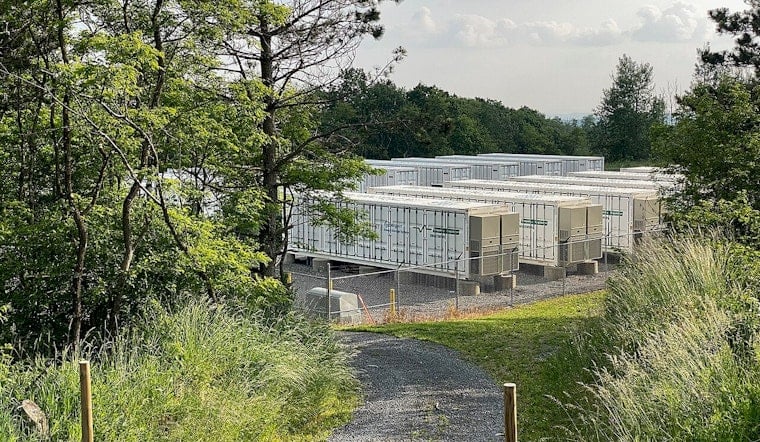
Covina is in for a charged evening. Tonight the Covina City Council is set to decide whether to greenlight a 110‑megawatt battery energy storage facility proposed by RWE Americas on a roughly 3.4‑acre site in northeast Covina. The Tuesday, July 7, 2026, vote, scheduled for 7:30 p.m., follows weeks of packed planning-commission hearings and mounting alarm from nearby residents and small businesses.
What RWE Says It Is Building
RWE Americas describes the Covina Reliability Project as a boost for local grid stability that would store excess wind and solar power and dispatch it during outages or periods of peak demand, according to RWE Americas. The company says the buildout would create about 150 construction jobs and generate more than $17 million in property-tax revenue over the life of the project, with operations targeted to start in 2027.
Project By The Numbers (And The Fine Print)
The city’s CEQA filing and project documents outline two main structures on about 3.4 acres at E. Edna Place and Barranca Avenue, along with a construction schedule of roughly 14 months, according to the Mitigated Negative Declaration on CEQAnet. Those public records list an estimated 40 construction jobs, a lower figure than the company’s pitch, a discrepancy that opponents and city planners have highlighted while assessing the project’s local economic upside.
Neighbors And Small Businesses Push Back
Community reporting and on-the-ground interviews show that hundreds of residents have turned out to planning hearings, and some nearby businesses have already started relocating as uncertainty over the proposal drags on, according to LA Public Press. Local TV coverage has featured residents warning about thermal runaway risks and questioning whether the city’s projected financial benefits pencil out. That coverage also notes that the planning commission voted unanimously in June against recommending the project.
Safety Fears After High-Profile Battery Fires
Opponents point to a string of widely reported battery energy storage system incidents. The EPA notes that a 2024 BESS fire in San Diego produced flareups that stretched across several days, and a 2025 fire at the Moss Landing complex forced the temporary evacuation of roughly 1,200 residents, according to federal summaries. Those events helped spur statewide changes, and Gov. Gavin Newsom later signed legislation tightening battery-storage safety requirements and local coordination with fire agencies, per an announcement from Sen. John Laird’s office.
What Comes Next
The council can certify the Mitigated Negative Declaration and approve project entitlements, send the proposal back for more study, or require a full Environmental Impact Report. Those choices, laid out in the city’s CEQA materials and project packet, will determine whether RWE can move ahead on the Covina site.
The City of Covina posts public notices and meeting livestream information on its website, and the council will meet in person at City Hall, Council Chambers, 125 E. College St., starting at 7:30 p.m. Residents can submit comments in person or use the city’s public comment process described in the public hearing notice.
Whichever way the vote goes, the decision spotlights the growing tension between neighborhood land-use worries and California’s push to build more grid-scale storage. RWE maintains that the project would bolster reliability and come online in 2027. Opponents argue that safety, transparency, and long-term neighborhood impacts remain unanswered questions.





