

























































Five Hispanic Miami Gardens police officers have taken their long-running grievances to federal court, filing a class-action whistleblower lawsuit that accuses the city and police brass of years of racial discrimination, arbitrary suspensions and demotions they say began in 2020. The complaint, filed this week, seeks between $5 million and $10 million and asks for a jury trial, turning last summer’s public feud with the chief into a full-blown legal showdown.
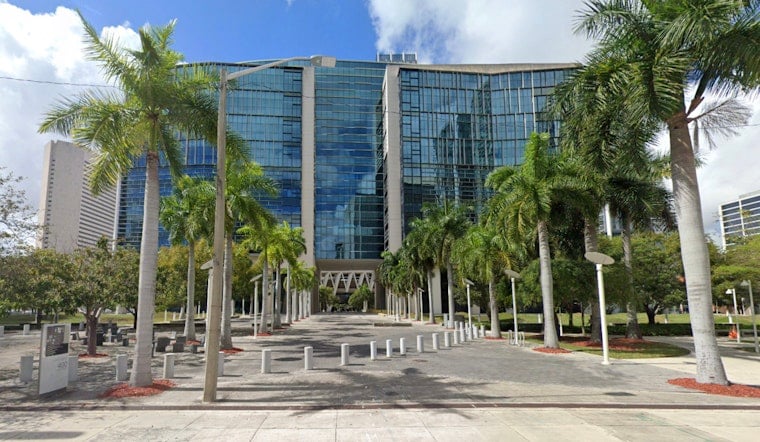
Court records list the matter as Valdes et al v. City of Miami Gardens, No. 1:2026cv24460, and show it was filed June 28 in the U.S. District Court for the Southern District of Florida, according to Justia. The docket notes the case was administratively closed because no initiating document was attached, a procedural hiccup the officers’ attorney can fix with a proper filing.
What the officers say
The 10-page complaint names officers Juan Gonzalez, Christian Vega, Francisco Mejido, Rudy Hernandez and Sgt. Pedro Valdes. It alleges the department singled out “White Hispanic Male officers” for extra scrutiny, bad-faith internal investigations, written reprimands for tiny infractions and arbitrary suspensions. The officers say they were reassigned, pulled from specialty units and harassed, while others were shielded from punishment, leaving them with severe mental and emotional stress, according to the Miami Herald.
Examples from inside the department
One example cited in the lawsuit involves 13-year veteran officer Francisco Mejido, who says his K-9 partner was taken from him after a minor body-camera violation. Other long-serving officers describe similar discipline in 2024. The group first took their complaints public in July 2025, demanding that Chief Delma Noel-Pratt be removed and asking for back pay over what they describe as lost wages, the TV outlet Local10 reported.
Legal steps to court
Before heading to federal court, the officers filed complaints with the Florida Commission on Human Relations and the U.S. Equal Employment Opportunity Commission. Their attorney says they recently received a Notice of Right to Sue from the EEOC, which cleared the way for the federal lawsuit. “We would always love for them to do the right thing, but if I were a betting man, I would bet we would have to get justice from a jury in federal court,” attorney Michael Pizzi said, according to the Miami Herald.
City response and the chief
The city has so far declined to offer detailed comment on the new filing, with officials telling reporters they typically do not weigh in on pending litigation. Chief Delma Noel-Pratt has previously pushed back on the accusations, saying that transfers and demotions were driven by operational needs rather than racial bias, according to CBS Miami.
What happens next
The complaint is framed as a federal civil-rights and employment case and demands a jury trial. Lawyers for both sides could be in front of a judge soon, once the filing glitch is corrected and the case moves forward. The public docket on Justia currently reflects the clerk’s administrative-closure notice but could be updated as the plaintiffs perfect their paperwork.
Legal implications
Because the officers secured a Notice of Right to Sue from the EEOC, federal court became an available venue. The EEOC explains that people who receive such a notice generally have 90 days to file suit. The agency also notes it will typically allow up to 180 days to investigate a charge before issuing the notice, although complainants can ask for one earlier in some situations.
Why it matters
The case shines a light on discipline, assignments and internal oversight inside the Miami Gardens Police Department. A ruling or settlement could push changes in how the city handles complaints and promotions. For residents, the lawsuit raises a basic question about their police force: are personnel decisions driven by clear policy or by ad-hoc calls that risk eroding public trust?





