

























































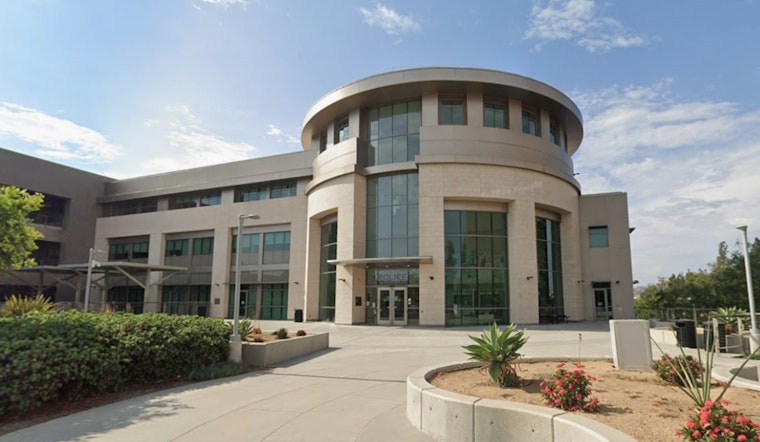
Call the El Cajon Police Department's non-emergency line these days and you might find yourself talking to a bot before you ever reach a dispatcher. The East County city has quietly rolled out an artificial-intelligence agent called Ava on its phones citywide, making it the first city in California to put Aurelian's system in charge of non-emergency police calls. The AI takes down routine reports like noise complaints, stray animals and parking issues, then hands a summary to human staff so dispatchers can stay focused on 911 calls.
Local rollout and what officials say
As reported by NBC 7 San Diego, the El Cajon Police Department fields about 180,000 calls a year, with roughly 100,000 of those classified as non-emergencies. With only 17 dispatchers on duty, the department has signed a one-year, $74,000 contract with Aurelian and is assigning Ava to the non-emergency line while humans review what the system collects. “Every single call gets touched by a human,” communications manager Craig Groll told the station, emphasizing that dispatchers are still in the loop on every interaction.
How Ava will screen calls
Aurelian bills Ava as a voice-first virtual agent that picks up non-emergency lines instantly, confirms where the caller is, gathers basic details and produces computer-aided dispatch summaries for staff, according to Aurelian. The company says Ava listens for signs that a situation might actually be an emergency and will bump those calls to a human operator, supports dozens of languages and gives agencies an auditable dashboard to review what the system is doing. Aurelian also highlights features like automatic CAD syncing and location validation that are designed to cut down on misrouted calls.
Other agencies already using the tool
El Cajon is joining a small but growing group of agencies testing the technology. Snohomish County 911 has used Ava at scale and reports that the system has already handled more than 220,000 non-emergency interactions since 2024. Wisconsin counties have also piloted the tool, with those early rollouts pitching Ava as a way to free up dispatcher time and shorten the wait for answers on routine questions.
Concerns and local context
El Cajon officials are framing Ava as a support tool, not a replacement for human workers. Chief Jeremiah Larson said the system “will improve the caller experience and will help our employees be more efficient in the process,” according to NBC 7 San Diego. Still, the city is not coming into the AI era with a clean slate on data practices. In October 2025, California’s Attorney General sued El Cajon over the department’s sharing of license-plate data with agencies outside the state, saying the case raised red flags about how sensitive policing information is handled. The lawsuit and the state’s request that the city stop sending automated license plate reader data across state lines are detailed in a press release from the California Department of Justice.
What to expect next
The department says 911 calls will still go straight to live operators, and anyone dialing the non-emergency line can ask to speak with a person if they would rather skip the AI. That human backup is the same basic safety valve Snohomish County has kept in place, according to KIRO 7. Agencies using Ava say they plan to watch accuracy rates and escalation decisions closely before expanding the system’s role. For now, El Cajon officials say the goal is to speed up answers on routine calls, not to hand the phones over to a machine and walk away.





