

























































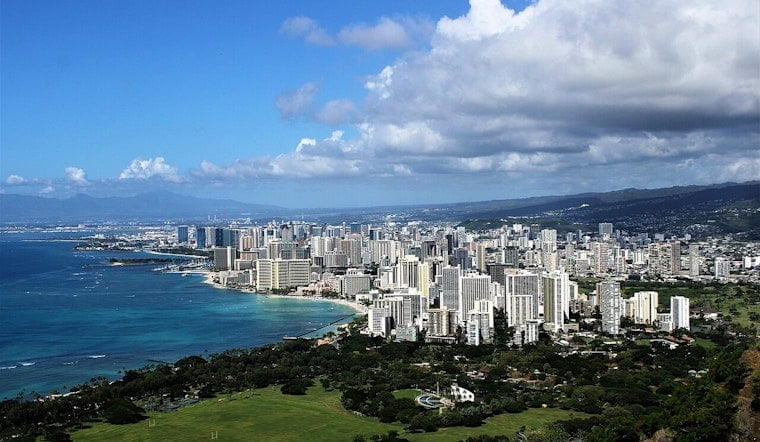
Honolulu just took one on the chin in the national business spotlight. In CNBC's annual "America's Top States for Business" study, Hawaii landed in last place for 2026, underscoring the high costs and stubborn competitiveness problems that local employers have been warning about for years. The July 9 on-air reveal arrives as city and state officials are already trying to retool the business climate, and the new ranking serves as both a reputational hit and a fresh push to tackle structural hurdles like operating expenses, access to capital and infrastructure gaps.
CNBC's verdict: last place
According to CNBC, Hawaii finished at the very bottom in the 2026 edition of its America’s Top States for Business study, which scores all 50 states across ten competitiveness categories. State economic teams around the country track the network’s annual study closely and often use it as a benchmark when they shape policy priorities and marketing pitches.
Why Hawaii tripped up
State economic documents and task force materials trace Hawaii’s poor showing to familiar pressures. The state ranks at or near the bottom in several CNBC categories that matter most to employers, including cost of doing business, cost of living and access to capital. The Department of Business, Economic Development and Tourism's task force report details those category rankings and warns that geography, high import and utility costs, and regulatory friction have all piled on top of post-pandemic and post-disaster challenges. The task force recommended creating a focused competitiveness office along with a package of reforms aimed squarely at those structural weaknesses.
Lawmakers move to set targets
Lawmakers responded this session with a bill intended to lock in specific goals and require an annual plan from DBEDT. The bill text for LegiScan would create a competitiveness commission, mandate yearly progress reports to the Legislature and appropriate roughly $300,000 to support research and staffing. The proposal lays out staged improvement targets and offers legislators a menu of policy tools to weigh as they debate permit reform, workforce training and cost-reduction efforts.
What local leaders are saying and watching
Even as Hawaii digests its new spot at the bottom of the CNBC list, some indicators on the ground are more mixed. The governor's office reported a seasonally adjusted unemployment rate of 2.5% for April, suggesting a still-tight labor market supported by tourism and service activity. At the same time, business groups and the task force told DBEDT that lasting improvement will require sustained movement on housing, permitting, energy and access to financing if the state hopes to climb in future rankings and appeal to a wider range of employers.
On paper, the next steps are straightforward: committee hearings on HB1612, DBEDT's follow-through on task force recommendations and preparation of the first annual competitiveness report that the bill would require. For Honolulu businesses the stakes are practical, since lower operating costs and simpler permitting could translate into more local investment, new hires and steadier growth over time.





