

























































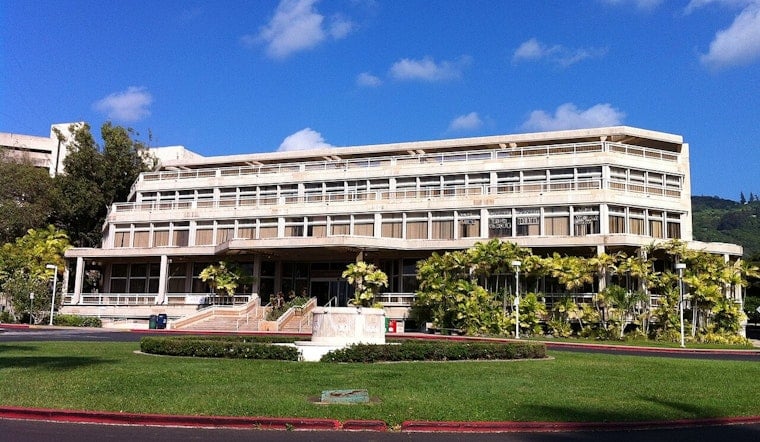
A University of Hawaiʻi at Mānoa pilot program meant to test cheaper, greener wastewater technologies has been put on ice and now risks losing more than $500,000 in state funding after a paperwork mix-up over when the money had to be encumbered. Lawmakers had signed off on roughly $745,000 for the three-year testing center, but UH’s Water Resources Research Center says it has received only about $174,000 so far, and that money has already been spent, forcing hiring and some field work to halt. Under the appropriation, the funds had to be encumbered by June 30, 2026, or they would lapse back to the state treasury.
How the funding was authorized
Last year the Legislature approved House Bill 736 to establish a wastewater system testing pilot at the University of Hawaiʻi Water Resources Research Center. As summarized in the University of Hawaiʻi budget briefing, the measure carried a state appropriation tied to Act 198 to support a three-year testing program.
Where the breakdown happened
In reporting by Hawaiʻi Public Radio, Zhiyue Wang of the WRRC said the limited release of funds reflected “a miscommunication and administrative factors between the [UH] Mānoa Budget Office and the Governor's Office.” Wastewater consultant Stuart Coleman told the same outlet the testing center “was exactly what we needed,” but he warned the bill's encumbrance language meant any unspent funds would have to be returned at fiscal year end.
Why the pilot matters
State law requires replacing more than 80,000 cesspools by 2050, and many homeowners face conversion costs that can run tens of thousands of dollars, making lower-cost certified technologies crucial. The Hawaiʻi Cesspool Prioritization Tool and Hawaiʻi Sea Grant document the scale of the problem, and UH reporting notes that typical conversions can cost $30,000 to $50,000 per household, the very expense the pilot aims to reduce through testing and certification of new systems.
What lawmakers and UH can do next
Because state appropriation rules generally do not allow funds to simply roll over, lawmakers would likely have to reauthorize or reallocate the money in a future session unless the Governor's Office or UH can encumber the funds retroactively. As Hawaiʻi Public Radio notes, delays in moving funds are not unusual, and WRRC leaders say some activities will continue while hiring remains paused.
Watch whether the Governor's Office or UH Mānoa can fix the encumbrance or whether the Legislature will act in 2027 to keep the pilot alive. Either outcome will determine whether the testing center can help drive down costs for homeowners and protect coastal waters, or whether the program simply runs out of time.





