

























































Zahra Razavinik, a 66-year-old teacher who spent decades in Houston preschool classrooms, has been sitting in U.S. immigration custody since January, a development that has shaken families and church leaders who relied on her. Her attorneys argue she cannot safely return to Iran and have filed a federal petition claiming her detention is unlawful because she is effectively stateless and not deportable. The case sets her long-standing ties to the city against an increasingly hard-edged interior enforcement push by Immigration and Customs Enforcement.
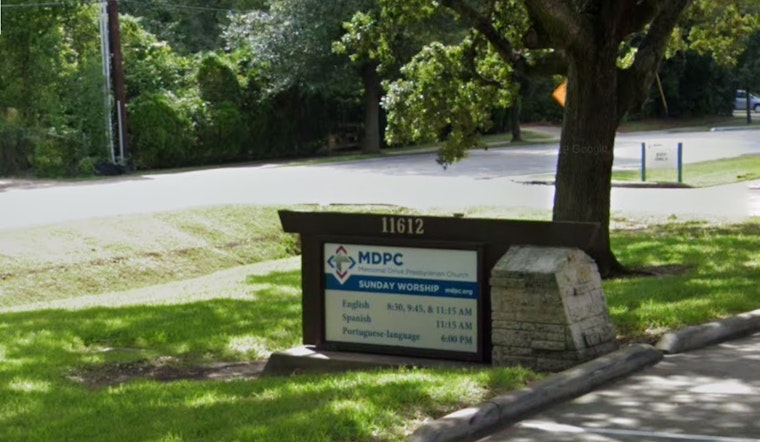
At Memorial Drive Presbyterian Church’s Little School, Razavinik is still listed on the preschool staff page, and parents say she was a constant, calming presence at after-school care and on therapy rides for children with special needs, according to the church roster. The church’s staff directory, which includes her name on its preschool page, drives home how embedded she was in family routines in the Memorial area. Memorial Drive Presbyterian Church
ICE agents picked Razavinik up during a routine check-in in January and later transferred her to the El Valle Detention Center in Raymondville, according to the Houston Chronicle. Her husband, Mohammad Reza Modaresi, told the paper she was nearly shipped to Mexico by mistake before officials corrected the transfer, the kind of paperwork blunder that stops being abstract when someone’s spouse is on the bus. Her lawyers say she has no criminal history and holds a valid work permit through 2030. Friends and family described her as “part of the family” for the children she looked after, and they are now campaigning for her release while attorneys pursue relief in federal court.
Human rights advocates warn that sending Razavinik back to Iran would pose serious danger, pointing to a sharp rise in arrests of Christians there in recent years. A joint report from Article 18 and partner groups found that Iranian authorities detained hundreds of Christians in 2025, an increase that advocates say reflects a post-war crackdown on converts.
Her case also slots into a broader trend that immigration advocates and some local officials have criticized: people showing up for routine ICE appointments and walking out in shackles. In March, the Texas Tribune reported on the outcry after teen mariachi performers and their relatives were detained at the same South Texas facility following check-ins, a reminder of how quickly a standard appointment can turn into a long stint in detention.
Legal fight underway
Razavinik’s attorneys have asked a federal judge in Brownsville to order her release, arguing that the government cannot legally keep holding someone when there is no realistic path to removal. Brian Green, the lawyer who filed the habeas petition, told the Houston Chronicle that the detention runs up against Supreme Court precedent treating custody beyond roughly six months as presumptively unreasonable. In the landmark decision Zadvydas v. Davis, the Court held that once removal is no longer reasonably foreseeable, the government must justify why it is keeping someone locked up.
What could happen next
If the Brownsville judge concludes that immigration officials cannot show a reasonably foreseeable plan to deport Razavinik, the court could order her release on bond or under supervision, options other courts have used in similar post-order detention cases. The basic framework for those outcomes, drawn from guidance by the Congressional Research Service, explains how Immigration and Nationality Act detention rules and court decisions interact to shape whether someone remains in custody or is released. Her legal team says they will push for immediate relief while also working to secure travel documents or some other long-term option outside Iran.
For now, the families who trusted Razavinik with their kids are stuck watching a slow, technical legal battle play out, and learning how decades-old removal orders can suddenly be dusted off to justify new detention. Immigration advocates are watching too, seeing her case as a measure of how deeply ICE’s interior enforcement priorities will reach into long-established church pews and neighborhood preschools.



