

























































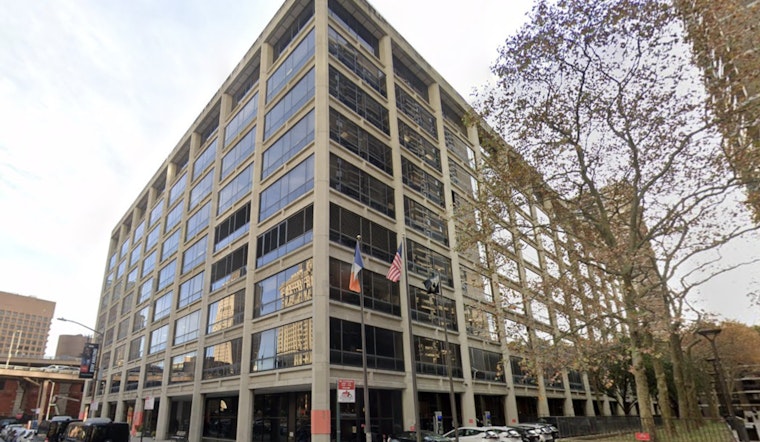
New York City housing officials are trying to throw some stalled 421‑a projects a lifeline before they tumble off the tax‑break cliff.
The Department of Housing Preservation and Development has proposed a narrow rule change that would let certain developments, which originally filed affordability Workbooks under Options C or G, switch after approval to eligible options A, B, E or F if they had previously filed a Letter of Intent for those options. The idea is to preserve access to the extended completion deadline and keep a slice of the city’s development pipeline alive. City regulators describe the tweak as technical and tightly targeted, meant to help projects stuck between the old expiration date and the state’s later extension.
In a formal notice, HPD laid out the proposed language and scheduled an online public hearing for 2 p.m. on Tuesday, Aug. 4, 2026, with written comments due the same day, according to HPD. The agency stressed it would only authorize post‑approval changes related to the choice of a project’s affordability option and only where strict conditions are met. HPD also stated that the amendment would not allow changes to utility allowances or to the multifamily tax‑subsidy income limits set in the original Workbook.
As HPD put it in the notice, the current rules “pose a difficulty” for projects that filed Workbooks under Options C or G while also filing Letters of Intent to pursue deeper affordability as a backup. The proposed fix would carve out a limited pathway for those developments to move to Options A, B, E or F. If a qualifying project submits an amended Workbook that reflects that switch, it could tap the later completion deadline that runs to June 15, 2031 under the 2024 legislative amendments. HPD underscored that the amendment is meant to be narrowly drawn so it does not open the door to broader mid‑approval edits.
Industry observers are treating the move as a kind of safety valve for developers whose deals might otherwise lose eligibility under 421‑a, while also noting that the bigger questions around property taxes and assessed values are still hanging out there with no resolution. The Real Deal reported that the rule is designed to help projects that filed backup Letters of Intent, and highlighted comments from city budget officials that a broader property‑tax reform package will not be ready until the next state legislative session.
The regulatory tweak is landing just as other housing initiatives continue to move forward. On July 7, the New York City Public Housing Preservation Trust announced that it had executed a progressive design‑build contract with Technico Construction Services to modernize 209 apartments at Hylan Houses in Bushwick, a project the Trust expects to complete in 2029, NYCHA said. That procurement, the Trust’s first progressive design‑build, underscores the competing schedule pressures across the city as private and public projects alike race against statutory deadlines.
Who Would Qualify For The Swap
Under the proposed rule, an agency‑approved Workbook that initially identified a project as Affordability Option C or G could be amended only if the project also filed a Letter of Intent stating it would pursue Option A, B, E or F and then submits a matching amended Workbook, according to the city’s rule posting. The change is strictly limited to switching the affordability option. HPD’s notice makes clear that developers would not be allowed to alter utility allowances or the multifamily tax‑subsidy income limits contained in the original Workbook. The structure is intended to give marginal projects a pathway to the later completion date without inviting wholesale re‑engineering of previously granted approvals.
What Happens Next
The proposal is now in the public‑comment phase. HPD will take testimony at an online hearing on Aug. 4 and will accept written comments through that date, The Real Deal reported. After the comment period closes, HPD can revise the text and then move to adopt, modify or withdraw the amendment, a process that could stretch for weeks or months depending on the feedback. Developers, affordable‑housing advocates and neighborhood stakeholders will be watching closely, since the outcome could decide whether some borderline projects remain financially viable under the 421‑a framework.



