

























































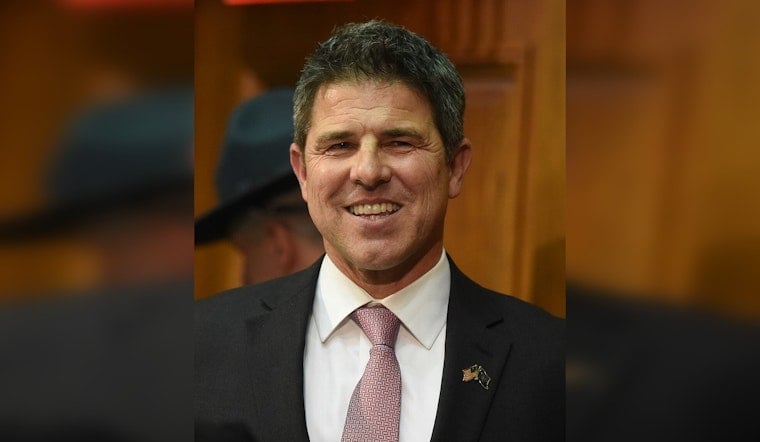
Indiana’s Senate Republican caucus is heading toward a leadership handoff after Rodric Bray said he will not seek another term as president pro tempore. The Martinsville Republican will remain in the Senate and continue representing his district through his current term, which runs through 2028. The announcement caps eight years at the chamber’s top Republican post — and opens a new fight over who gets to steer a 40-member GOP majority.
Bray said it is time for the Senate to choose another leader, according to WISH-TV. He has held the president pro tempore post since 2018, while the role typically stays out of floor debate and committee hearings but controls much of the chamber’s internal machinery. That includes assigning bills to committees, appointing committee chairs and helping set legislative priorities.
The job is not merely ceremonial. Guidance from the Indiana Governor’s Council for People with Disabilities says the Senate president pro tempore assigns bills to standing committees and appoints Senate conferees, while the Indiana General Assembly says the pro tem presides when the lieutenant governor is unavailable. In practice, that makes the next selection consequential even though the Senate’s daily work is shared across caucus leadership.
Bray’s Exit Follows A Bruising Republican Power Struggle
Bray’s decision follows a turbulent stretch for Indiana Senate Republicans. The Indiana Capital Chronicle reported in May that six Trump-backed candidates had defeated incumbents who opposed a mid-decade congressional redistricting plan, while Gov. Mike Braun renewed his call for a change in Senate leadership.
The shakeup had already begun before Bray’s announcement. Sen. Chris Garten stepped down as Senate majority floor leader in June, telling WFYI that he no longer felt aligned with the caucus leadership’s strategic direction. Garten had supported both President Donald Trump and the redistricting effort, putting him on the opposite side of a major internal dispute from Bray.
That dispute centered on whether Indiana should redraw its congressional maps before the 2026 midterm elections. The Senate rejected the proposal by a 19-31 vote in December 2025, and Indiana Public Radio reported that Bray defended his opposition by saying he led through consensus and had heard overwhelming constituent resistance. The vote made Bray a target of criticism from Trump and Braun, even though his Senate term does not expire until 2028.
Bray is also leaving behind a record he says demonstrates the caucus’s effectiveness. According to WISH-TV, he pointed to more than 20 tax cuts, efforts to lower health care costs, increased school literacy rates and record capital investment through 2024.
Now the succession question moves to the Senate Republicans. Lawmakers are scheduled to return in November, and the next leader will inherit a large majority, a freshly reshaped caucus and an unresolved debate over how aggressively Indiana Republicans should follow the national party’s agenda, the Indiana Capital Chronicle reported.



_(cropped).jpg)