

























































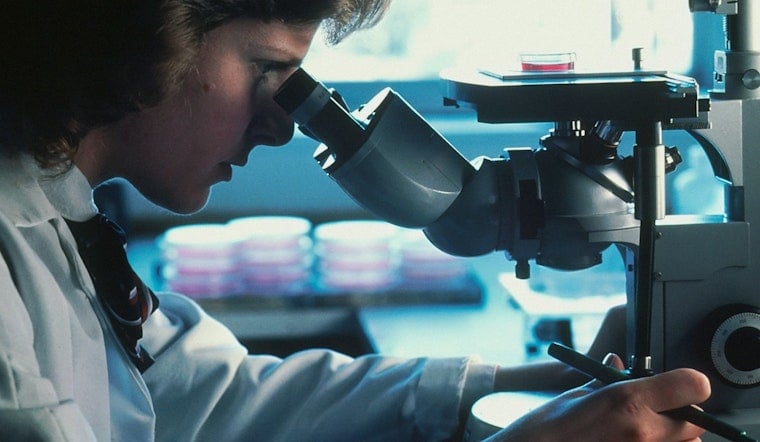
Inside a low-profile Chicago forensic lab, crime-fighting now looks part sci-fi, part high school chemistry class. During rare access granted to the ABC7 I‑Team, technicians walked investigators through how they combine AI-driven tools and old-school chemical methods so that stubborn pieces of evidence finally give up their secrets. Video and audio clips are screened for signs of digital tampering while print examiners try to coax usable marks from items that once would have been written off. It is a quiet sign that Chicago investigators are relying more and more on lab science to trace and prosecute organized networks.
As reported by ABC7 Chicago, reporter Mark Rivera notes that the lab is flagging deepfakes, pulling out hard‑to‑find fingerprints and feeding both kinds of results into cases that target organized crime. In the station's short feature, analysts are shown running suspicious media through forensic detectors while other technicians apply specialized techniques to draw out prints from tough surfaces that used to stump investigators.
Nationwide Scramble To Prove What Is Real
Authenticating digital audio and video is no longer just a lab exercise for academics; it is now a front-line priority. Federal research efforts and public testbeds are pushing deepfake-detection tools into the hands of people who actually work cases. Agencies such as DARPA and evaluation programs at NIST have produced benchmarks and open resources that help forensic labs spot when media has been manipulated and trace how it was made. Thanks to that investment, local analysts now speak in terms of provenance and generator fingerprints instead of only asking whether something is simply fake or real.
New Chemistry For Old Evidence Problems
On the physical-evidence side, lab science is pushing into places that used to be dead ends. Technicians now have ways to develop latent marks that would once have been erased by time, water or tricky textured materials. Research funded by the National Institute of Justice shows how nanoscale coatings and advanced imaging can reveal ridge detail while also preserving DNA for sequencing, which means a single item can yield multiple investigative leads. Those approaches can turn one recovered print into the thread that quietly ties together cases from different jurisdictions.
From Lab Bench To Organized-Crime Cases
In practice, these forensic results often become the connective tissue that upgrades a basic local arrest into a broader organized-crime case. Scenes and suspects can be linked through databases and coordinated lab analysis. The FBI and regional lab partnerships stress how systems such as AFIS and shared digital-forensics units extend the reach of individual investigators, helping prosecutors assemble racketeering or drug-trafficking indictments. In Chicago, where federal and local task forces regularly work side by side, those lab connections can be the factor that moves a case from promising lead to filed charges.
The ABC7 I‑Team posted its short preview on July 17 and notes that a longer segment will walk through the lab's workflow and show more of the science in action, with the station's video available on its website. Even in brief form, the look inside signals a broader shift: evidence in Chicago now runs on bits and algorithms as much as fingerprints and fibers. For residents watching crime trends and online manipulation collide, this lab offers a glimpse of where the city's investigations are headed next.





