

























































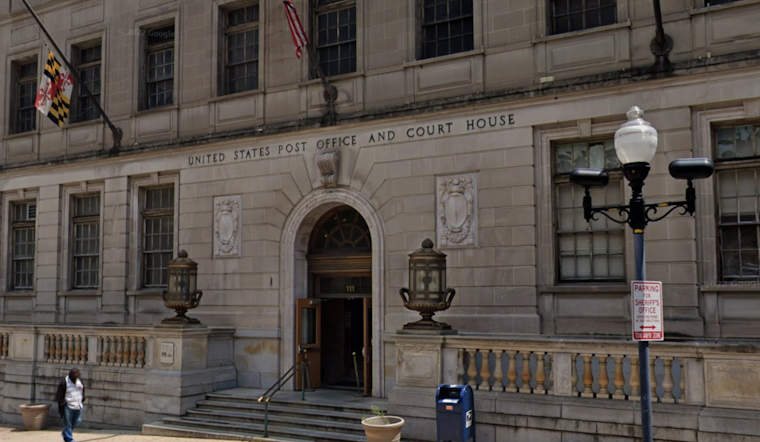
On July 22, 2026, a Baltimore judge abruptly dismissed an attempted murder case against 47-year-old Kevin Lotus Brooks, cutting off a prosecution that authorities had linked to a recovered Glock handgun and ballistic matches. The decision came from the bench without any public explanation, leaving the future of the case unclear. The underlying shooting took place in late December and left a man critically injured.
Judge ends case without explanation
As reported by Baltimore Witness, Brooks was facing charges of attempted first-degree murder, first-degree assault, and use of a firearm during a felony violent crime. Baltimore City Circuit Court Judge Melissa K. Copeland entered the dismissal on July 22. According to the outlet, prosecutors did not give any reason on the record for dropping the case.
What the charging documents say
Court summaries state that officers responded to a ShotSpotter alert for gunfire on the 2500 block of Fairmount Street in West Baltimore on Dec. 29, 2025, and recovered 19 9 mm shell casings near the scene. Minutes later, police found a man inside a vehicle suffering from a gunshot wound; he was taken to the University of Maryland Shock Trauma Center in critical but stable condition. Investigators reported finding a live 9 mm round in Brooks’ pocket and, the next day, seizing a registered Glock 19 from his residence. Ballistic testing linked that firearm to the casings collected at the scene, according to Baltimore Witness.
Court filings and case number
State records indicate that a criminal case for Kevin Lotus Brooks was filed earlier this year. A statewide Cases Filed report lists a record for Brooks under case number C-24-CR-26-000560 and provides a city address. According to the statewide filing report, the matter first appeared on the court docket in early February 2026. Maryland Courts reviewed public filings that show the defendant’s name and the date the case was entered into the system.
Dismissals and witness issues in local courts
Local reporting indicates that dismissals in serious cases sometimes follow problems with securing eyewitnesses or other issues with prosecutorial readiness. Earlier in July, Baltimore Fishbowl detailed a separate shooting case in which prosecutors dropped charges after saying they could not locate a key witness. Defense attorneys and judges in Baltimore have pointed to missing or unavailable witnesses as a recurring obstacle in major prosecutions.
Legal implications
A judge’s dismissal can be entered with or without prejudice, and Maryland law also allows prosecutors to end a case by putting a nolle prosequi on the record. Those procedural choices govern whether the state can bring the same charges again. Maryland Rule 4-247 sets out the nolle prosequi process and explains the effect of terminating a prosecution on the record. Whether prosecutors attempt to refile in Brooks’ case will likely depend on the specific language in the court’s written order and on the continued availability of key witnesses or other evidence.





