

























































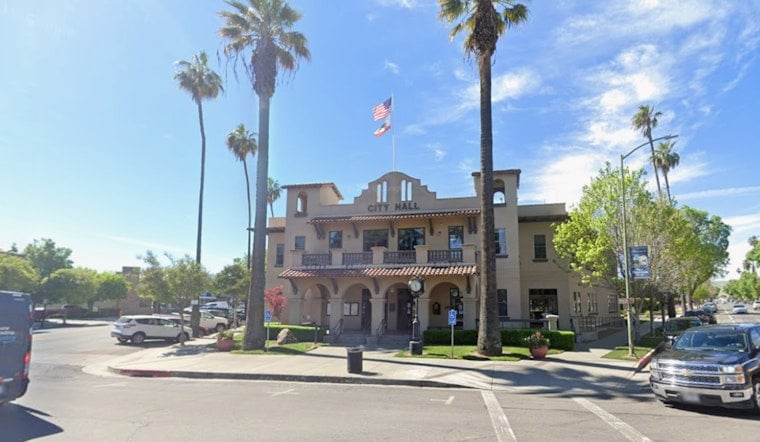
A Stanislaus County judge has ruled that the City of Patterson illegally pulled the plug on the Keystone Ranch subdivision, a 719-home project that had been stuck in neutral amid a fierce fight over groundwater. The court tossed out the council’s April 1, 2025 rejection and ordered the city to take another look at the tentative map, potentially reigniting a years-long clash over development rules and water supplies. The decision hits just as Patterson faces technical directives from state water and housing agencies and intensifying pressure to hit regional housing targets.
Judge Orders Do-Over After Illegal Denial
The court found that the council’s denial violated the Housing Accountability Act and related state laws and gave Patterson 90 days to issue a new decision, according to CBS News Sacramento. The showdown escalated after the California Department of Water Resources rejected the city’s groundwater sustainability plan and ordered about a 10 percent cut in pumping, a cap local officials argue makes it harder to guarantee water service for new housing.
State Housing Officials Call Out Basin Cost And Legal Risks
State housing officials had already flagged Patterson’s move as a likely misfire under state law. In a technical assistance letter, the California Department of Housing and Community Development (HCD) pegged the regional recharge basin at roughly $17.9 million in construction costs plus about $1.5 million for land. HCD warned that the city’s condition requiring the entire basin to be built before any permits are issued would effectively function as a development moratorium and said Patterson had not made the written findings the Housing Accountability Act demands for a denial.
Previous Court Smackdown And Local Power Struggles
This is not Patterson’s first run-in with a judge over its growth policies. Earlier this year, a Stanislaus court threw out the city’s 2024 development-fee increases after finding that officials failed to properly notify the public and justify the higher charges, as reported by The Modesto Bee. Local advocates and developers contend the Keystone conditions were more of the same, arguing the city tried to load one project with an outsized infrastructure tab while other big developments kept moving.
Keystone’s attorney, Evette Davis, said the city essentially tried to stick her client with the whole bill. “The city basically said Keystone should have to pay all of the $20 million for this catch basin,” Davis told CBS News Sacramento. Patterson’s city attorney, for his part, said the city is reviewing the ruling and weighing its legal options given the unresolved groundwater problems.
What The Ruling Means For Housing Law
The decision underlines how little leeway California cities have when they want to say no to housing. Under the Housing Accountability Act, local officials must pinpoint a specific and quantifiable threat to public health or safety and show that no feasible mitigation exists before they can reject a qualifying project. HCD’s letter also reminds cities that the department can scrutinize local land-use decisions and refer violations to the state attorney general, which means Patterson could face enforcement if its next move does not square with state requirements.
The court has ordered Patterson to reconsider the Keystone Ranch map within 90 days. If the city again refuses to approve the project, it could be looking at state referral or penalties even as it works to meet a Regional Housing Needs Allocation of 3,716 units for 2023–2031, according to the City of Patterson. For residents and builders, the ruling either clears a more straightforward path to approval under lawful conditions or forces the city to produce a detailed, evidence-based case for another denial.





