

























































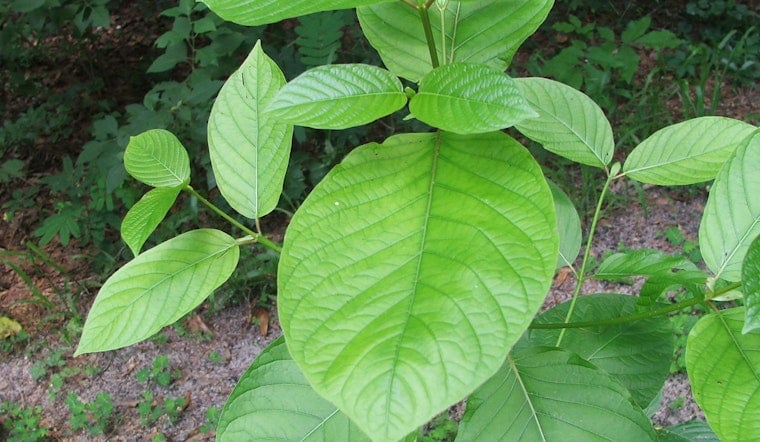
After more than three decades with his wife by his side, Knoxville resident Terry Arms is now spending his days talking about how she died and why he wants the rest of Tennessee to pay attention. Arms says his wife, Sherry, died this spring in what authorities have described as a kratom-related poisoning, and he is pleading with neighbors and lawmakers to take the supplement’s risks seriously.
He says Sherry lost a dramatic amount of weight over several weeks, was hospitalized in late April, and was later pronounced dead. The family is now staring down medical bills along with their grief, and Arms says he is determined to turn her story into a warning.
Arms told WATE 6 On Your Side that Sherry had been using kratom for pain relief and that her weight dropped from about 130 pounds to roughly 70 while she was taking it. He said she was approved for a hospital visit on April 22 and that medical examiners listed mitragynine toxicity as her cause of death on April 30.
According to Arms, he has spent roughly $6,000 on her care and now plans to sell a car and a camper to cover the costs. He told the station he wants people to hear what happened in their Knoxville home before they assume a “natural” product is automatically safe.
Tennessee Ban Takes Effect July 1
According to the Tennessee General Assembly, House Bill 1649, enacted this spring as “Matthew Davenport’s Law,” is scheduled to take effect July 1, 2026, and will create new criminal offenses and testing requirements related to kratom. The legislative record indicates the measure will change how possession, sale, and toxicology testing are handled across the state.
Retailers are already starting to react. Local coverage reports that some are pulling kratom products from shelves, while recovery groups are urging people who use the substance to get informed and have a plan before the deadline hits, according to WIVK.
Federal Data And Regulatory Alerts
National surveillance has tracked a sharp rise in kratom-related exposures and hospital visits. A recent CDC analysis found that poison-center reports and harmful clinical events tied to the substance have increased markedly through 2025.
The Food and Drug Administration has zeroed in on highly concentrated alkaloid products, particularly 7-hydroxymitragynine, or 7-OH. The agency has issued warning letters and recommended restrictions after finding high-potency consumer products on the market. Health officials say those concentrated or chemically altered products, along with mixing kratom with other drugs, appear to drive many of the most serious cases.
Where To Get Help
Tennesseans who are worried about kratom use or exposure can call or text the Tennessee REDLINE at 1-800-889-9789 for confidential treatment referrals, according to the state Department of Mental Health and Substance Abuse Services. For immediate help with a possible poisoning, Poison Help connects callers to local poison centers at 1-800-222-1222 and online at PoisonHelp.org.
Clinicians and recovery providers encourage anyone who suspects dependence or a harmful reaction to seek medical guidance instead of abruptly quitting a substance on their own, which can carry its own risks.
Arms said he and Sherry had been together for 32 years and married for 22, and he hopes that by sharing what happened, others will treat kratom with far more caution. Her celebration of life was held at Crossroads Church of God in Knoxville, he told WATE 6 On Your Side, and his plea now sits squarely in the middle of a widening debate over how states and federal agencies should regulate high-potency kratom products.





