

























































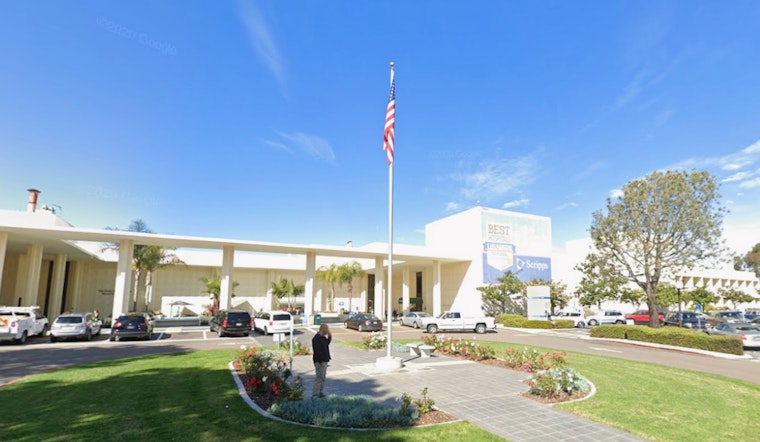
Sewage is paying off for La Jolla scientists. Scripps Research has secured two Bill & Melinda Gates Foundation awards totaling $2 million to expand its wastewater surveillance program, scale up the Freyja analysis platform beyond SARS‑CoV‑2 and build artificial intelligence tools that blend wastewater and clinical data for faster outbreak alerts. The money will help adapt lab protocols and bioinformatics pipelines for low‑resource settings and support sampling beyond standard sewer networks, including streams and canals.
Two Gates grants will scale Modjadji surveillance
According to Scripps Research, the new funding arrives through the Gates Foundation’s Modjadji Initiative and renews a 2023 project that links Scripps with South Africa’s National Institute for Communicable Diseases and the University of Birmingham. Early pilots will center on South Africa and Zambia and will broaden monitoring to include measles, cholera hotspots and tuberculosis while keeping lab protocols and resulting data openly available.
Freyja, Aquascope and national pipelines
The Andersen lab’s Freyja platform sits at the heart of the work. Recent updates in Freyja 2 show that the tool can handle multi‑pathogen genomic surveillance and untangle mixed wastewater signals, including viruses such as mpox and influenza. Documentation from CDC's Emerging Infectious Diseases also notes that Freyja’s deconvolution algorithms are built into the Aquascope pipeline used by the National Wastewater Surveillance System, so improvements made at Scripps could ripple into national workflows.
Tuberculosis detection poses unique hurdles
Scripps researchers caution that spotting tuberculosis in wastewater will be particularly tricky because Mycobacterium tuberculosis sequences can overlap with many environmental bacteria. The team plans to combine improved lab methods with machine‑learning approaches to pull out faint TB signals. That effort comes against a stubborn global toll, as the WHO estimates that about 1.23 million people died from TB in 2024.
Why San Diego expertise matters
Scripps and UC San Diego helped pioneer local wastewater sequencing through collaborations such as the SEARCH alliance, building pipelines and dashboards that identified COVID‑19 variant trends early and guided public health decisions, according to PLOS Global Public Health. That capacity has proved fragile. Federal funding cuts forced the SEARCH program to pause sampling in 2025, making foundation grants and partnerships a crucial backstop for preserving technical know‑how in San Diego and beyond, KPBS reported.
Next steps and transparency
Researchers say the new awards will also underwrite AI work to better match wastewater signals with clinical testing results and to adapt methods so they function in rivers, canals and other non‑sewer systems, with a continued emphasis on open‑source tools for partners. As reported by The San Diego Union-Tribune and other outlets, the team plans to keep protocols and code public so that low and middle-income countries can plug into the same pipelines quickly.





