

























































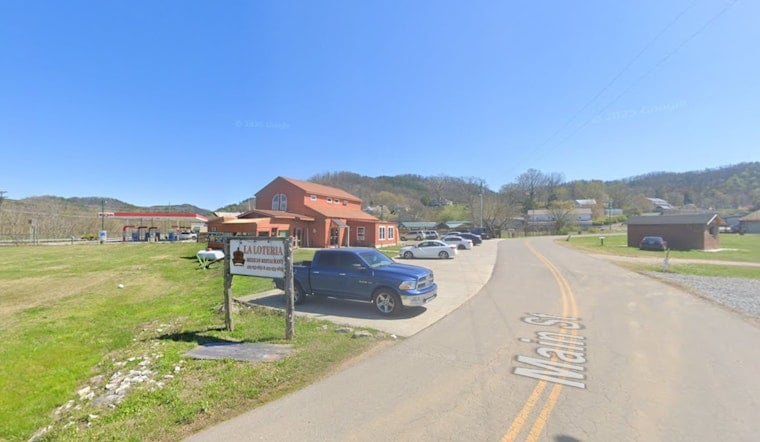
Raw beef and chicken went straight into the trash and filthy equipment got flagged when a health inspector dropped in on La Loteria Mexican Restaurant in downtown Tellico Plains, according to the inspection report. The Main Street spot initially walked away with a score of 70, but after staff made corrections, a follow-up visit bumped the grade up to 89.
Inspection findings
According to the health inspection at Tellico Plains restaurant, the inspector recorded six critical violations. Those included raw beef and chicken stored in a cooler at about 50 °F and a can-opener blade described as having "extreme amounts of old food and grime" stuck to it. The report states the inspector ordered the out-of-temperature meat tossed "to prevent possible foodborne illness" and noted that the person in charge "did not have managerial control" because multiple critical violations had already been documented on previous inspections. After the issues were corrected and the manager completed a training class on health rules, a recheck documented that the problems were fixed and the follow-up grade rose to 89.
Why temperature matters
Federal guidance is clear about cold-holding limits for perishable food. The FDA recommends refrigerated time/temperature control for safety (TCS) foods be kept at 41 °F (5 °C) or below. The USDA’s Food Safety and Inspection Service refers to roughly 40–140 °F as the temperature "danger zone," where bacteria can multiply quickly and raise the risk of foodborne illness. That is why inspectors routinely discard perishable items found above safe holding temperatures.
Follow-up and accountability
The follow-up inspection report notes that the inspector returned to verify corrections and recorded that the critical violations had been addressed, including removing the warm meat and cleaning or replacing the contaminated equipment. The notation that the person in charge lacked managerial control is a red flag for regulators, since repeated critical violations tend to trigger closer monitoring and required training.
What diners should know
Inspection scores are a snapshot of conditions at the time of the visit, and a prompt recheck with corrected critical issues, as happened here, suggests the restaurant addressed the immediate hazards. For peace of mind, federal guidance from the USDA’s Food Safety and Inspection Service emphasizes routine temperature monitoring, regular cleaning of food-contact tools, and documented staff training to keep food out of the danger zone.





