

























































Southern Nevada’s water future just got a federal framework, but not a tidy decade-long rulebook. The Bureau of Reclamation has selected an adaptive approach for managing Lake Powell and Lake Mead through 2036, allowing future operating decisions to shift as river conditions change.
According to KTNV, the final Environmental Impact Statement establishes a preferred alternative built around operating guidelines and protective limits known as sideboards. Those limits are intended to keep the system responsive to actual hydrologic conditions while preserving environmental compliance and room for basin-wide conservation strategies.
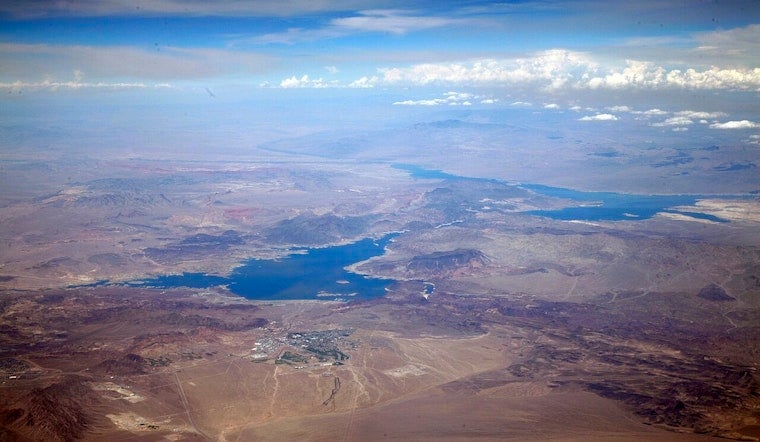
For Las Vegas, this is hardly an abstract federal paperwork exercise. The Southern Nevada Water Authority says roughly 90% of the region’s water supply comes from the Colorado River through Lake Mead, making the reservoir’s future central to the valley’s long-term growth and reliability.
The new framework arrives as the existing rules approach their expiration date. The Bureau of Reclamation says the 2007 Interim Guidelines and 2019 Drought Contingency Plans are scheduled to expire at the end of 2026, while the post-2026 process is intended to guide Lake Powell and Lake Mead operations for potentially decades. Hoodline previously detailed the reservoir risk driving the push for new rules.
More Flexibility, Less Permanent Certainty
The word final refers to the environmental review, not a permanent schedule telling every state exactly how much water it will receive each year. The framework is designed to produce operating guidelines that can be adjusted over shorter or longer periods as snowpack, runoff, reservoir levels and other conditions change.
As reported by KTNV, the Interior Department anticipates issuing guidelines within those sideboards on roughly two-year intervals, unless the basin states reach consensus on an agreement lasting longer. That structure favors adaptability over the kind of fixed, one-shot rulebook that governed the river for much of the past two decades.
The Interior Department has described the approach as an effort to balance flexibility with predictability for the roughly 40 million people who rely on the Colorado River system. In a February release, the Bureau of Reclamation said it was moving forward with the post-2026 process after the basin states failed to reach a full consensus by a federal deadline.
Mexico’s Water Deliveries Remain Separate
The final environmental statement covers domestic river operations only, leaving water deliveries to Mexico within a separate binational process. That process was described as nearing completion, with the Interior Department saying it remains committed to continued coordination with Mexico.
For Las Vegas residents, the immediate takeaway is less about a new household restriction than about who gets to make the next series of difficult decisions when the river is short. The federal blueprint keeps negotiations alive, but it also signals that the region’s water future will be managed through recurring adjustments rather than one final answer.



