

























































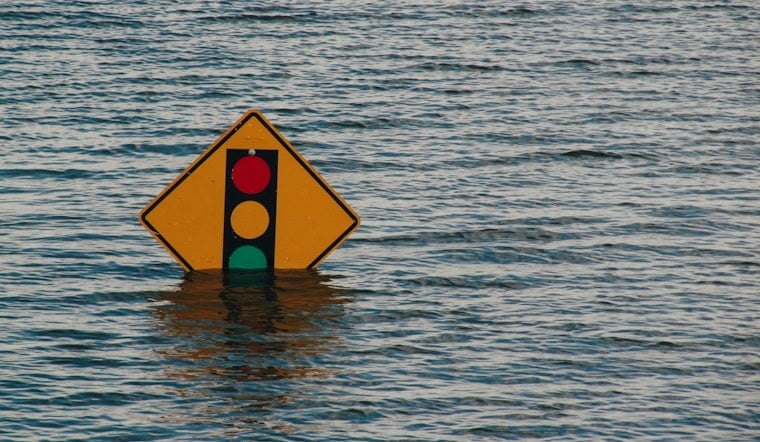
Slow-moving thunderstorms parked over the Triangle on Monday night, dumping buckets of rain and putting parts of Durham and Orange counties under a flash flood warning. The alert stretched into the early hours of Tuesday as forecasters warned that small creeks, underpasses and low-lying streets could flood with little notice. Residents and drivers were urged to treat any water-covered road as off limits.
What the National Weather Service said
At 10:07 p.m. EDT on Monday, the National Weather Service office in Raleigh issued a Flash Flood Warning for portions of southwestern Durham and southern Orange counties that lasted into early Tuesday. According to the National Weather Service, radar and automated gauges showed storms dropping between 1 and 3 inches of rain, with another 1 to 3 inches possible on top of that. Forecasters said flash flooding of small creeks, urban areas, highways and underpasses was already occurring or expected to begin shortly.
Where flooding was most likely
The warning singled out several spots that could see the quickest trouble: Durham, Chapel Hill, Hillsborough, Carrboro, Eno River State Park, Efland, Cane Creek Reservoir and Jordan Lake, according to the News & Observer. Drivers were told to expect rapid ponding in poor-drainage areas and to steer clear of low-clearance underpasses, where water can rise fast and leave vehicles stuck before motorists realize how deep it is.
Why floodwater is so dangerous at night
The National Weather Service’s flood-safety guidance notes that even a little water can pack a serious punch: about 6 inches of fast-moving water can knock an adult off their feet, and around 12 inches can carry away a typical car. Those figures anchor the agency’s Turn Around, Don’t Drown campaign and highlight why officials keep telling people not to drive into standing water after dark, when you cannot easily see how deep or how fast it is, according to the National Weather Service.
How to stay safe
If you live in a flood-prone area, move to higher ground and follow any evacuation instructions from local officials. Motorists should never drive through flooded roadways and should find another way around instead of risking a stalled or swept-away vehicle. Keep an eye on local alerts and updated forecasts until the threat has clearly passed.
Officials and emergency managers will adjust warnings as the weather shifts, so check local emergency channels and NOAA Weather Radio for the latest bulletins. This story will be updated if the National Weather Service issues additional warnings for the Triangle.



