

























































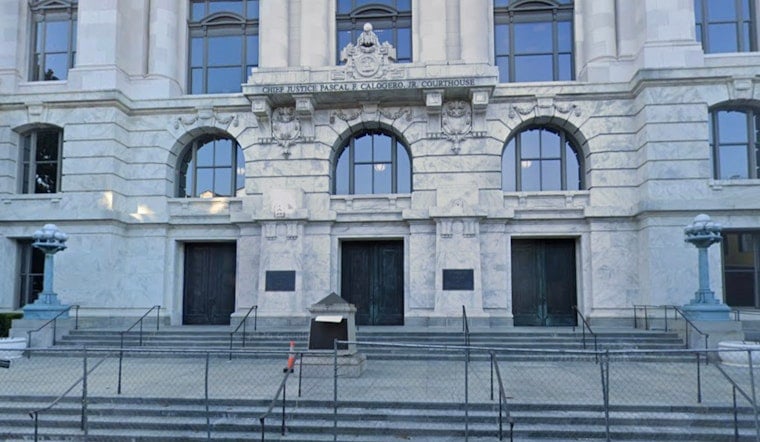
Leon Cannizzaro, the hard-charging former Orleans Parish district attorney and until recently the criminal division chief at the Louisiana Department of Justice, has landed a seat on the Judiciary Commission of Louisiana. The 14-member panel handles complaints and recommends discipline for judges across the state, and his appointment is already stirring up sharp reactions from both supporters and longtime critics. The move follows his summertime retirement from the attorney general's office and puts one of New Orleans' most polarizing prosecutors on the body tasked with policing the judiciary.
Appointment and timing
State records show that House Speaker Phillip DeVillier tapped Cannizzaro as one of the speaker's appointees to the 14-member commission. Press accounts report that his four-year term began in late June, with June 23, 2026, noted as the official start date, according to Verite News New Orleans. The legislative roster confirms DeVillier's authority to fill that slot on the commission, according to the Louisiana Legislature.
From the AG's office to the commission
The Louisiana Office of the Attorney General announced that Cannizzaro retired as director of the criminal division on June 1, 2026, with a series of executive changes taking effect the next day, June 2. That exit capped a relatively short stint in statewide office, after Cannizzaro joined the AG's team in 2021. In its announcement, the department framed the reshuffle as part of a broader effort to bolster public-safety operations. The retirement notice and organizational update were posted by The Attorney General's office.
Why advocates are worried
Criminal-justice reform advocates and local watchdog groups are openly questioning whether Cannizzaro can be an impartial referee on a panel that judges the judges. Bruce Reilly of Voters Organized to Educate called Cannizzaro "long considered a biased individual" and warned that the appointment could help state leaders target certain judges for discipline, as reported by Verite News New Orleans. Ashley Crawford of Vera Louisiana argued that his tenure as district attorney was "marked by deeply controversial prosecutorial practices," saying that track record could undercut public confidence in the commission's independence.
Cannizzaro's record in New Orleans
Cannizzaro ran the Orleans Parish District Attorney's office from 2008 to 2020, after spending decades as a judge, and his time as DA frequently sat at the center of New Orleans' criminal-justice reform battles. Reporting by The Lens documented his office's use of so-called "DA notices" that looked like subpoenas and at times threatened jail if witnesses did not cooperate. The revelation set off litigation and, eventually, settlements once the practice came under public scrutiny. Those controversies remain Exhibit A for critics who argue that someone with that history should not sit on a disciplinary body for judges, according to The Lens.
What the Judiciary Commission does
The Judiciary Commission of Louisiana is a constitutionally created body that investigates alleged violations of the Code of Judicial Conduct and, after its inquiries, recommends discipline to the Louisiana Supreme Court. Its official overview lays out a multi-step process - from initial screening of complaints to full investigations and hearings - and highlights rules aimed at reducing conflicts of interest and preserving impartiality. The commission itself does not hand down final punishment. Only the state Supreme Court can impose discipline based on the commission's recommendations, according to the Judiciary Commission overview.
What comes next
Cannizzaro has told reporters he is joining the commission without a political agenda, according to NOLA. Supporters argue that his long legal career gives him a deep understanding of how courts and prosecutors actually function. Critics counter that the real test will be whether the commission's procedures, paired with Supreme Court oversight, are strong enough to keep politics out of judicial discipline. For New Orleans residents and reform advocates, the appointment highlights the long-running fight over who gets to police Louisiana's judges, and any high-profile cases that land before the commission are likely to be scrutinized for signs of fairness and independence.




