

























































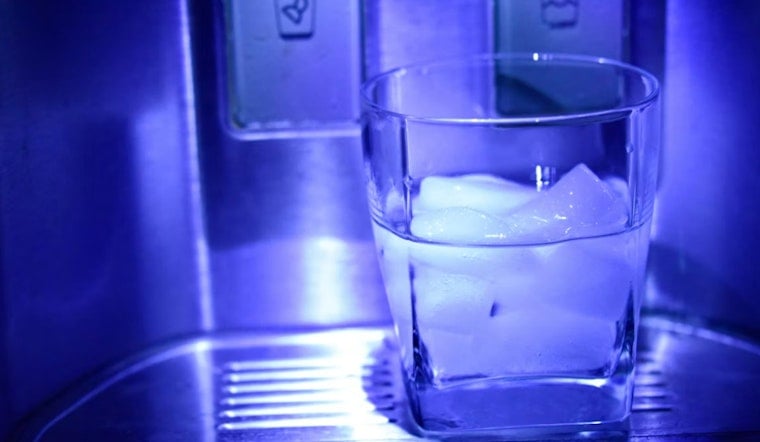
State employees working at a privately leased Department of Industrial Relations office on Reynolds Ranch Parkway in Lodi were recently told that Legionella bacteria had been detected in a water line feeding a staff icemaker. The June test result has sparked fresh worries about tap-water safety and whether the building is really ready for a full return to in-person work. Building management and the agency say they are coordinating cleanup efforts, while union leaders push for clear communication and quick protections for workers.
According to reporting by the Sacramento Bee, SEIU Local 1000 flagged the Lodi finding in a July press release that also cited concerns about waterborne bacteria, bedbugs and asbestos at state workplaces. The Bee reported that the contamination was limited to a line serving an icemaker at the Department of Industrial Relations office that the state directory lists at 3021 Reynolds Ranch Parkway, Suite 130. The union presented the Lodi case as one example of wider safety issues tied to the post‑pandemic push back into state offices.
What Officials Say They Will Do
Department of Industrial Relations spokesperson Katherine Wzorek wrote in an email that "recent test results indicated a need for remediation" and that DIR is working with the building's property manager on corrective steps, the Sacramento Bee reported. Those steps can include disinfecting and flushing plumbing fixtures, increasing hot‑water temperatures and routinely flushing water systems, tools that state facilities managers rely on to lower Legionella risk. The Department of General Services also maintains a Legionella FAQ for state buildings that spells out testing and remediation procedures for both leased and state‑owned properties.
How Legionella Spreads and Who Is at Risk
Legionella becomes dangerous when contaminated water turns into tiny droplets that people breathe in, for example from showers, faucets, cooling systems or other equipment, according to the Centers for Disease Control and Prevention. The CDC notes that people 50 and older, current or former smokers and anyone with a weakened immune system face a higher chance of serious illness. Clinicians are urged to consider Legionella when patients show pneumonia‑like symptoms after a possible exposure. San Joaquin County public health guidance has previously warned about local Legionella risks and has stressed the need for environmental testing and follow‑up, especially when building water systems have been idle or used less than usual.
Why This Matters Now
The Lodi detection arrived just as Gov. Gavin Newsom's return‑to‑office policy took effect on July 1, 2026, a timing that has put a spotlight back on basic workplace conditions. SEIU Local 1000, which represents tens of thousands of state workers, has been vocal about hazards it says employees are encountering and highlighted the Lodi finding in recent statements. With bargaining and protests continuing, unions and worker advocates argue that fast remediation and transparent reporting are non‑negotiable before staff fully re‑occupy leased buildings.
What Occupants Should Do Next
DIR has said employees will be informed of any further guidance or temporary precautions while building managers carry out remediation, and occupants are expected to follow posted instructions during that work. Local television outlets have covered the situation and reported that officials are coordinating additional testing and cleanup with the property manager, and residents are encouraged to check that local coverage for updates. Public health guidance advises that anyone who has spent time in the building and later develops cough, fever or shortness of breath should tell their health care provider about the potential exposure so clinicians can order appropriate testing and treatment.





