

























































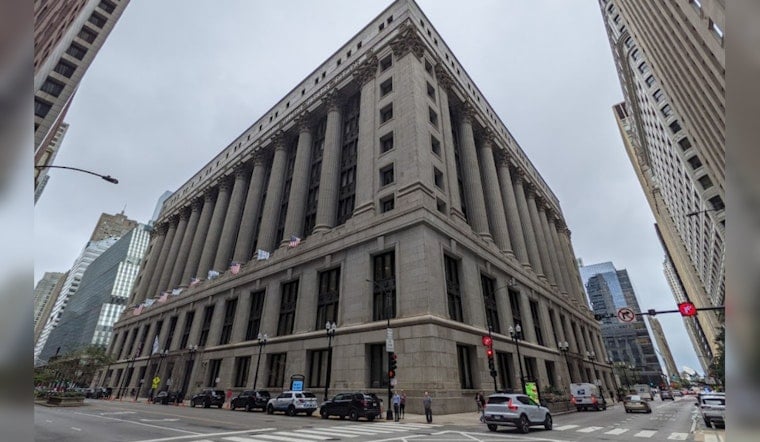
Chicago’s Loop felt a lot more like festival season than a typical spring quarter, as arts and cultural programming drew nearly 1.5 million visits in Q2 and generated roughly $395 million for local venues, restaurants and hotels. The jolt came on top of a run of new restaurant openings, fresh office leases and a city-backed push to turn vacant office towers into housing.
The numbers come from the Chicago Loop Alliance’s second quarter State of the Loop update and were highlighted by the Chicago Sun-Times, which noted that visitor spending was up about 20 percent year over year. The paper pointed to summer festivals and free programming as some of the biggest draws, and reported that 19 new restaurants and cafes opened in the Loop between April and June, with more on the way later in 2026.
Arts Attendance And Spending
According to the Chicago Loop Alliance, arts and culture events and venues in Q2 brought in more than $395 million for the Loop economy and nearly 1.5 million visits, a roughly 20 percent increase from the same period in 2025. Dr. Suzet McKinney, the alliance’s president and CEO, said the data show the district is transitioning into a “fully activated, multi-use district” as programming and new businesses pull more people back downtown.
Weekend Crowds Versus Weekday Lull
The recovery is not exactly evenly spread through the week. Weekend pedestrian counts on State Street averaged about 105 percent of 2019 levels, while weekday foot traffic hovered near 82 percent of 2019, the Chicago Sun-Times reports. In other words, events rather than office commutes are doing most of the heavy lifting on foot traffic, even as empty storefronts still dot downtown retail corridors.
Conversions And New Openings Are Reshaping The Loop
The alliance also flagged 19 new restaurants and cafes that opened in the second quarter and tallied investment in new construction and renewed uses at about $673 million during that period, according to the Chicago Loop Alliance. The group pointed to momentum on the LaSalle corridor, where three city-backed residential projects, along with privately funded office-to-residential conversions, could add nearly 4,000 new housing units and roughly $1.67 billion in investment to the Loop, citing figures from the Department of Planning and Development.
Transit And The Road Ahead
Transit ridership is climbing, although officials are careful about how they describe the trend. In a March memo, the Chicago Transit Authority laid out a new APC-farebox hybrid method for counting riders that increased reported 2025 totals and complicates year-over-year comparisons. The agency and downtown stakeholders say that keeping ridership and funding on an upward path will be key if the city wants to turn weekend spikes into a steadier daytime economy.
For Loop businesses, the Q2 surge is welcome proof that festivals and cultural institutions still move the needle. The tougher, longer-term test will be turning those weekend crowds into reliable weekday foot traffic, and making sure office conversions translate into mixed-income housing that can support a true 24-hour neighborhood.





