

























































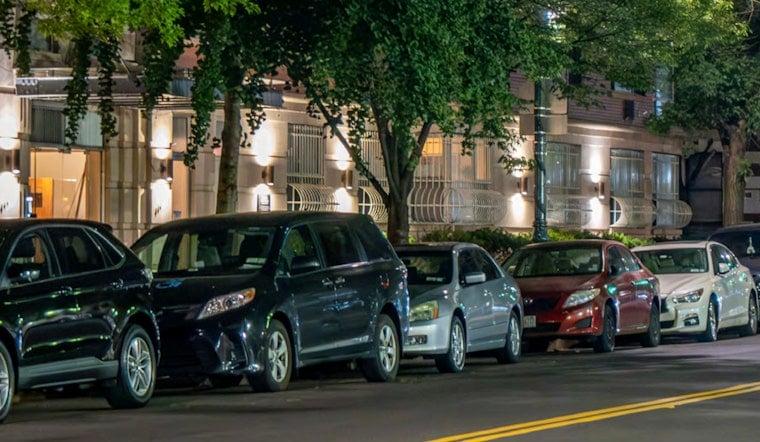
The New York City Department of Transportation says Manhattan drivers are still circling the block for spots, congestion toll or not. A new agency analysis finds the Central Business District toll did not noticeably free up curbside parking and did not trigger the dreaded park-and-ride flood into nearby neighborhoods.
How DOT Measured It
The study, required under the Traffic Mobility Act, compared parking on thousands of block faces roughly nine to ten months before congestion pricing began and again nine to ten months after. DOT researchers used on-the-ground surveyors, time-lapse cameras and vehicle-mounted cameras to capture hundreds of thousands of individual car movements, according to the NYC Department of Transportation. The result, the agency says, is the largest parking data set it has ever assembled.
What The Study Found
According to the study, curbside availability both inside the Congestion Relief Zone and in surrounding neighborhoods stayed largely the same, and drivers did not systematically stash their cars outside the zone and hop on transit to dodge the $9 charge, NY1 reports. DOT did see a modest dip in double parking inside the zone, a change officials pointed to as a traffic-safety win. Traffic engineer Sam Schwartz, better known as “Gridlock Sam,” told NY1 that a $9 fee alone is not likely to push large numbers of drivers out of their cars, adding that higher tolls could alter behavior down the line.
Where Drivers Actually Parked
DOT’s data show that free on-street parking is scarce across the city’s denser areas, with only a small share of those curb spots open at any time, while metered spaces tend to have slightly more turnover, Streetsblog reported. The study did find a localized uptick in demand for metered spots just north of the Congestion Relief Zone’s northern boundary. DOT officials said that pattern looks more like increased deliveries and daytime commercial activity than commuters parking at the edge and walking in. Overall, the agency concluded that the tight curb conditions long predate congestion pricing and stem from persistent demand for free spaces.
Policy Implications
DOT says it plans to use the findings to shape future curb and parking policy. The report also warns against rolling out residential parking permits as a quick response to the toll, arguing such programs could interfere with efforts to repurpose curb space for buses, bikes and deliveries, according to the NYC Department of Transportation. Officials added there is no immediate plan for a follow-up study tied specifically to future toll hikes, leaving open the question of whether steeper fees would change where drivers choose to park.




