

























































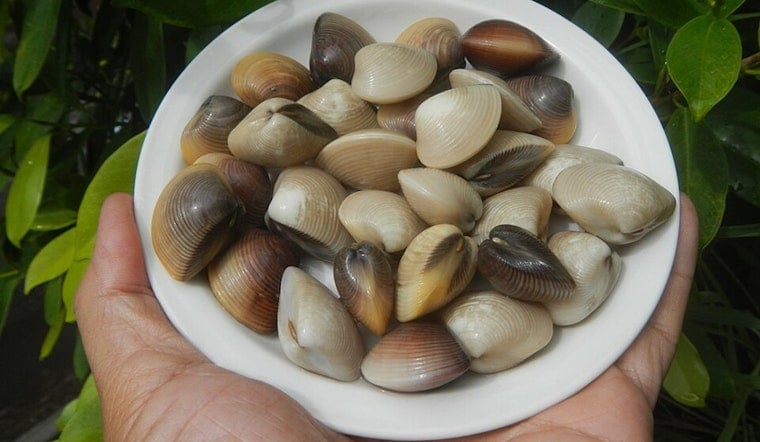
The Manila clam, a globe-trotting shellfish better known from Pacific aquaculture menus than New England mudflats, is no longer just washing up as empty shells in Massachusetts. Researchers say the invasive species is now firmly established and reproducing along the state’s coastline, with live juveniles turning up from Cape Cod to Boston Harbor. That shift from stray finds to confirmed recruitment is raising fresh questions about what it could mean for native shellfish and local harvesters.
The team lays out the evidence in a new paper in the journal Biological Invasions, documenting reproducing populations and early settlers collected between 2023 and 2025. The haul includes microscopic recruits only about 500 μm across, tiny but telling signs that the clams are not just arriving from elsewhere, they are spawning and settling locally. The case is built from opportunistic field surveys, community-science sightings and targeted sediment sieving.
The research push started after local clammers began flagging unusual shells in 2023, followed by a 2025 field trip to Spectacle Island sparked by a student photograph, according to MIT Sea Grant. As word spread and local coverage hit NBC Boston, scientists recruited volunteer monitors and commercial harvesters to fan out across the shoreline and expand sampling.
Where They Are Showing Up
Live Manila clams and piles of shells have now been recorded at multiple sites on Cape Cod and inside Boston Harbor, with northern reports reaching into Salem Sound and spanning communities from Beverly down to the Cape, according to the Massachusetts Office of Coastal Zone Management. Targeted sieving at Squantum and Calf Pasture Park pulled up young clams hiding in the sediment, while volunteers on Spectacle Island reported dozens of shells during monitoring outings, suggesting the newcomer is more than a one-off curiosity.
What Scientists Say And What Is At Stake
Globally, Manila clams are a heavily farmed and highly valued bivalve, supporting an industry estimated at about $7 billion. In places where they turn up uninvited, though, they can outcompete native shellfish and reshape seafloor communities, the UMass research team warned in its announcement. To figure out where the Massachusetts clams are coming from and whether these colonies will stay relatively local or spread along the coast, scientists say they will need genetic analyses and broader, coordinated monitoring.
How To Spot Them And Report Sightings
For beachcombers, the quickest field test is on the shell. Manila clams carry a distinctive cross-hatched pattern, while local quahogs tend to show growth rings that run lengthwise. Finding very small live clams is the clearest giveaway that reproduction is happening nearby, MIT Sea Grant notes.
Community-science tools such as iNaturalist were key for compiling early records for the study, and researchers are asking the public to keep that pipeline going. The guidance is simple: photograph suspected Manila clams and upload the images instead of moving the animals around.
“Finding the species is only the beginning,” UMass postdoctoral researcher Aly Putnam said in a university announcement. Investigators are urging beachgoers and shellfishers to report sightings to local shellfish departments and community-science portals. Officials say careful, coordinated sampling and follow-up work will be crucial to figuring out how this new arrival might reshape both the ecosystem and the shellfishing economy.




