

























































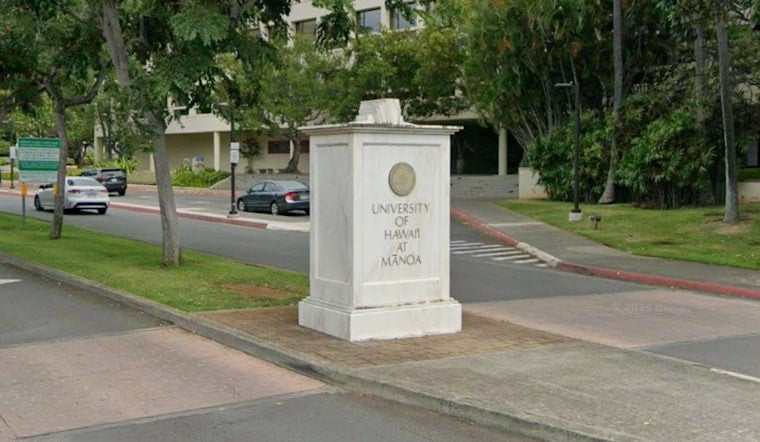
Rising heat and humidity are squeezing the cheap cooling options data centers have long counted on, according to researchers at the University of Hawaiʻi at Mānoa. Their new study finds that the time windows when facilities can lean on low-cost, energy‑saving direct‑air "free cooling" are shrinking, which could push operators toward more power‑hungry chillers, water‑intensive evaporative systems or costly retrofits just as a global AI building boom kicks into gear. The work starts in Mānoa but lands squarely in the middle of a worldwide conversation about where and how to build the next wave of data centers.
Study and methods
The research team delivered a global assessment by blending high‑resolution hourly weather records, climate model projections and a worldwide database of data‑center locations. They tested how often outside air climbs past recommended limits for direct‑air free cooling under both historical conditions and future climate scenarios, then mapped where and when those constraints tighten. According to Scientific Reports, the paper relies on hourly datasets and climate projections to quantify how thermal limits on free cooling change across individual sites and broader markets.
What UH researchers found
“We found that periods of time when temperature and humidity exceed recommended operating thresholds for direct air free cooling are becoming more frequent and lasting longer in many regions,” lead author and UH atmospheric scientist Christina Karamperidou said in a University of Hawaiʻi at Mānoa press release. The university’s summary notes that the increases are especially strong in the tropics and the southeastern United States, and that the most extreme days are worsening faster than the overall averages. Those "worst‑day" shifts are exactly what drive reliability planning and backup decisions. UH also points out that the work was developed with partners focused on cyberinfrastructure and next‑generation cooling through the NSF ERC EARTH collaboration.
How big the change is
Over the past 45 years, the study finds, the number of hours when outdoor air is too hot and humid for direct free cooling has climbed significantly, and a site‑level analysis shows that the share of data centers facing limiting conditions for at least one quarter of the year is going up. Projections through the middle of the century show those constraints spreading under continued warming and higher humidity, which narrows the list of places where low‑cost, water‑free cooling stays advisable. For operators that designed facilities around yesterday’s climate windows, that translates into a higher risk of unexpected overrides, more frequent dependence on backup chillers and rising operating costs, according to Scientific Reports.
Why this matters for AI builders
The timing is awkward for the AI industry. AI workloads are driving rapid growth in compute density and around‑the‑clock power demand, which in turn ramps up both cooling needs and pressure on site selection. Deloitte estimates that U.S. power demand from AI data centers could rise more than thirtyfold by 2035, from roughly 4 gigawatts in 2024 to about 123 gigawatts. Put together, that growth and UH’s climate projections make the continued viability of inexpensive direct‑air cooling a very real line item in both developer spreadsheets and utility planning documents.
Options and trade‑offs for operators
Data‑center operators are not out of options. They can shift to direct‑to‑chip liquid cooling, full immersion setups or hybrid air‑and‑liquid designs, but every upgrade comes with its own bill in cost, engineering complexity and water or materials use. A recent review of AI data‑center energy and grid impacts notes that thermal‑management strategies are already moving toward liquid cooling for high‑density racks, while warning that these systems introduce water‑use and design challenges that need to be weighed against their energy savings, according to Energies. Those trade‑offs are quickly turning into core questions in permitting fights, resilience planning and long‑term sustainability strategies.
Hawaii’s policy moment
Hawaii policymakers are not waiting for theory to become a headache on utility bills. The state legislature has asked the Hawaii State Energy Office to pull together a working group this year to examine how large data centers could affect utilities, ratepayers, natural resources and the state’s climate goals, according to HCR 206. At the same time, local players are adding capacity. Servpac’s MTP Data Center in Mililani, for example, is planning a multimillion‑dollar expansion, as reported by Data Center Dynamics. The collision of local build‑out, grid constraints and a warming climate means Oʻahu siting calls will need both technical scrutiny and political oversight.
For planners, UH’s message is straightforward. Average conditions can look manageable while the rare scorcher is what actually trips systems and causes outages. The study suggests infrastructure decisions should explicitly factor in worsening "worst‑day" heat and humidity, not just the typical day. That guidance, developed in Mānoa and aimed at a global audience, offers utilities, developers and regulators a quantitative framework for evaluating hybrid cooling designs, redundancy needs and siting trade‑offs. For more detail on the work and contacts, see the University of Hawaiʻi at Mānoa news release.




