

























































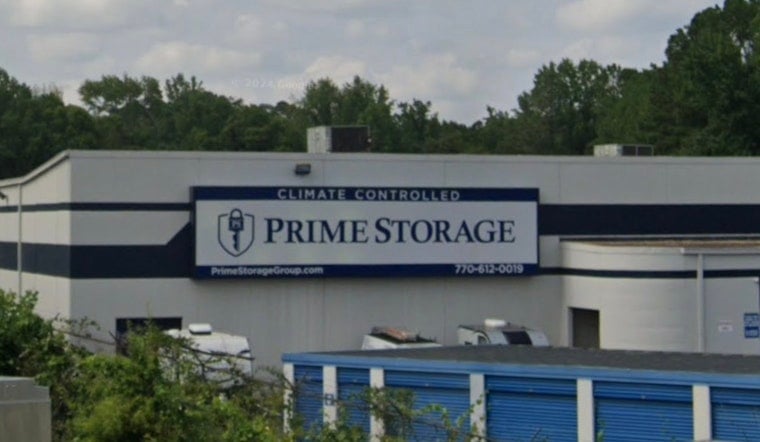
Marietta residents packed into City Hall this week as the Planning Commission narrowly advanced a rezoning that could let a data center move into part of a self-storage complex off Delk Road, setting up a tense City Council vote next week. Neighbors filled the chamber to demand a pause and more study of power, water and noise impacts before anything gets built. The plan would add a “data infrastructure facility” use to roughly 10.7 acres at the Prime Storage site on Powers Ferry Place and convert about 22% of the existing building into mission‑critical space.
The commission approved the request in a 4-3 vote and will recommend it to the Marietta City Council, according to 95.5 WSB. Residents at the meeting pushed for a moratorium or at least a time-out while officials gather more technical data and community feedback. 95.5 WSB also reports that the council is expected to consider the rezoning at its July 8 meeting.
What Is In The Application
The application, filed by Prime Storage Powers Ferry Place Marietta LLC, asks to add a data center use to 10.727 acres at 1155 Powers Ferry Place, according to the staff packet from the City of Marietta. The packet says the developer proposes converting part of the existing concrete building into an 18-megawatt data center, with about 21,570 square feet of “white space” for mission‑critical operations and an exterior support area where many storage rows would be removed. City planners raised questions about noise, screening and the fact that Marietta’s zoning code does not yet spell out data-center-specific standards, and they noted that more technical detail will be needed to evaluate potential impacts.
Developer And Neighbors At The Meeting
At the public hearing the developer’s attorney, Parks Huff, told commissioners the site is “ideal” and framed the project as a way to reduce latency. Several nearby residents urged a moratorium and spoke against the plan, according to 95.5 WSB. Supporters highlighted the site’s proximity to utility power and fiber, while opponents argued that the city should update its zoning rules and study environmental and traffic effects before greenlighting any data center. The 4-3 split on the commission mirrored the broader unease over how Marietta should handle data center proposals going forward.
Why Data Centers Are A Flashpoint
Across the country, policymakers and residents have raised alarms about the energy, water and noise footprint of new data centers, a trend that has led to moratoriums and stricter rules in many communities, according to the Rockefeller Institute. Local staff in Marietta echoed those concerns in their analysis, pointing out that neighboring counties and cities have adopted pauses or tighter standards while they study the impacts. That national backdrop helps explain why even a mid‑sized proposal at an existing site is drawing such intense neighborhood pushback.
What Happens Next
The Planning Commission only makes a recommendation, so the rezoning now heads to the City Council for a final decision at its July 8 meeting. If the council signs off, the property owner could begin the permitting process, although staff have cautioned that detailed technical plans will be required to resolve questions about noise, screening and floodplain issues before construction or major site work can start. Opponents say they will turn out again for the July 8 hearing and continue to push for a moratorium on similar projects until the city adopts clearer standards.
Legal Implications
The application materials also include a formal “Constitutional Challenge” from the applicant, arguing that denying the rezoning would amount to an unconstitutional taking of the property. That language is included as an exhibit in the staff packet from the City of Marietta. The filing raises the legal stakes for council members who are weighing either an outright denial or a list of strict conditions, and it signals that the applicant is preparing for a possible legal fight if the case is rejected. Staff urged caution and called for additional technical detail, leaving councilors to walk the line between supporting digital infrastructure and responding to vocal neighborhood concerns.





