

























































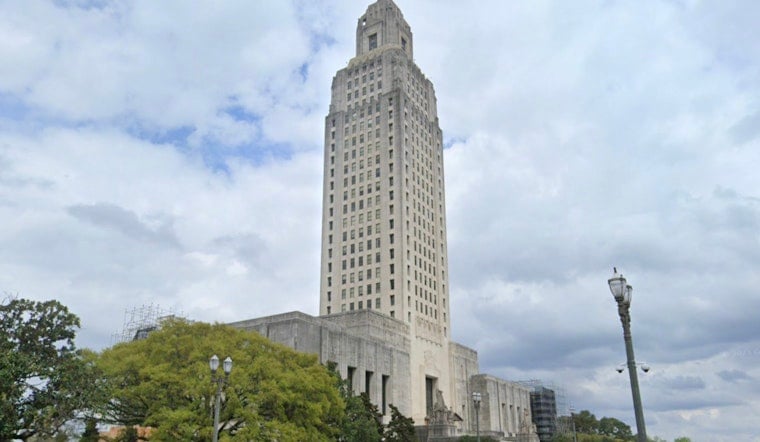
Louisiana’s tax haul got a welcome jolt in May, with the state pulling in roughly $1.08 billion in net receipts and giving the budget a short-term cash cushion. It was a solid one-month bump, but it was not nearly enough to erase a sizable gap compared with last year, and budget watchers say the real test is still ahead.
According to the Louisiana Department of Revenue, the state reported $1,080,834,261 in net receipts for May, up about $103.7 million from April’s $977,163,357. Including other receipts, May’s grand total clocked in at roughly $1.106 billion. The department’s monthly report details how those dollars were split across tax categories and where they ultimately landed.
The longer view is a lot less rosy. Total major state revenues through May sit at about $10.1 billion, compared with $10.95 billion at the same point in 2025, a shortfall of roughly $838 million, according to New Orleans CityBusiness. That report shows a split-screen story: sales tax collections are holding up the best, while income-based receipts are dragging the totals down.
What’s Driving the Numbers
Month-to-month figures show May’s move was powered by a jump in individual income taxes, along with stronger sales and severance receipts.
Individual income tax collections climbed from about $262.15 million in April to $361.04 million in May, a hefty pickup tied to filing-season activity. General sales tax receipts also rose, from roughly $434.05 million to $488.59 million over the same period. On the flip side, combined corporate income and franchise collections dropped from about $152.37 million in April to roughly $97.53 million in May. Those monthly category totals are detailed in the department’s April and May statements.
Budget Implications and the Revenue Forecast
The slump in income taxes is not just an accounting quirk; it is already reshaping the budget conversation. The state’s official revenue forecast was trimmed in early May, when the Revenue Estimating Conference cut more than $200 million across the next two budget years and cited weaker individual and corporate collections after 2024 tax changes, WWNO reported.
The Legislative Fiscal Office’s budget analysis notes that the Revenue Estimating Conference adopted the official revenue estimate on May 8, 2026, a figure lawmakers rely on to set spending ceilings as they hammer out the FY27 budget. In plain terms, that number defines how big a check the Legislature can responsibly write.
For local governments and agencies that depend on state dollars, the big question now is whether robust sales and severance receipts can keep up through the summer. If the sales surge holds, it could help cushion some of the income-tax weakness. But revenue experts warn that sagging income-based collections look more like a recurring problem than a one-off dip, and recurring problems are exactly what keep budget writers up at night when they are staring down recurring spending commitments.





