

























































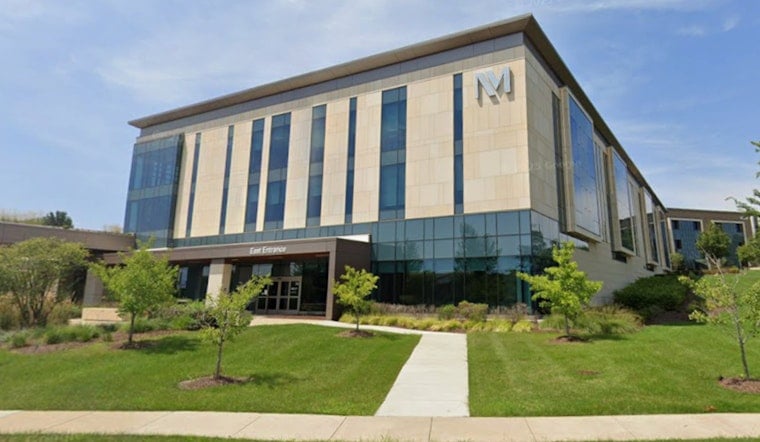
Northwestern Medicine is set to dramatically expand cancer care in the south suburbs, thanks to a jaw-dropping $225 million gift from the St. George Foundation that would bankroll a new cancer-focused medical office building on its Orland Park campus.
The money would fund a larger, consolidated outpatient cancer center that replaces and repurposes the existing St. George Cancer Institute and pulls together infusion, imaging and radiation services under one roof, reshaping how oncology care is delivered in the area.
As reported by the Chicago Tribune, the donor is the St. George Foundation, also known as St. George Corporation, which has pledged $225 million toward the project. According to the Tribune, that gift would cover most of the planned work and ranks among the largest philanthropic pushes into suburban cancer care in recent years.
Project Details and Price Tag
Documents filed with the Illinois Health Facilities and Services Review Board show Northwestern Memorial HealthCare and Northwestern Medicine Palos Hospital are seeking permission to construct a four-story, 315,682-gross-square-foot medical office building at 15330 West Avenue in Orland Park.
The filing pegs the project cost at $275 million, notes that the application was deemed complete on June 22, 2026, and lists Nov. 5, 2026, as the tentative date for the board to consider the proposal.
What the New Cancer Center Would Offer
According to the board materials and coverage of the proposal, the new building would combine outpatient cancer services into a single site, including infusion stations, diagnostic imaging and radiation treatment. A roughly 484-space parking garage is also planned alongside the medical office building to handle the increased patient and staff traffic.
Once the new facility opens, the existing St. George Cancer Institute would not go dark. Instead, it would be converted for other clinical services, the Chicago Tribune reports.
Why Northwestern Says the South Suburbs Need This
Northwestern has argued that residents in the south suburbs need more convenient access to advanced oncology care, particularly as the local population ages. Health system leaders have framed the project as part of a long-term expansion strategy that has been unfolding since the first St. George institute opened in Orland Park.
That original Orland Park cancer institute was seeded by a $51 million gift from the St. George Corporation, according to a Northwestern Medicine news release, setting the stage for what has now become a vastly larger investment.
National public health projections help explain the scale of the ambitions here. Using SEER and Census data, researchers estimate annual cancer cases will climb by roughly 49% between 2015 and 2050, driven mostly by population growth and aging. CDC data and analysis highlight why hospital systems are racing to add outpatient infusion and diagnostic capacity before the wave fully hits.
State Approval, Timeline and Public Input
Before a shovel hits the dirt, Northwestern needs a state certificate of need. The Illinois Health Facilities and Services Review Board notice sets July 7, 2026, as the deadline for submitting requests for public hearings and Oct. 16, 2026, as the cutoff for written comments. The notice also states that copies of the full application are available from the board office for anyone who wants to dig into the fine print.
How It Fits Into Orland Park’s Bigger Play
For Orland Park, this is not just a one-off construction project. The village has been deliberately nurturing a downtown medical hub, adding medical offices, parking and other infrastructure meant to anchor redevelopment around the Metra station.
Village planning documents describe a strategy to stitch hospital investment together with retail, restaurants and public spaces to create a livelier, more self-sustaining town center, according to the Village of Orland Park.
Residents and local officials will be tracking the state review process and the donor’s final paperwork closely. If the project clears the regulatory hurdles, the new St. George Cancer Institute building would rank as one of the most significant health care investments the south suburbs have seen in years. Local leaders have pitched hospital growth as both a public health necessity and an economic catalyst, while community members will have formal chances to weigh in before the board issues its verdict.





