

























































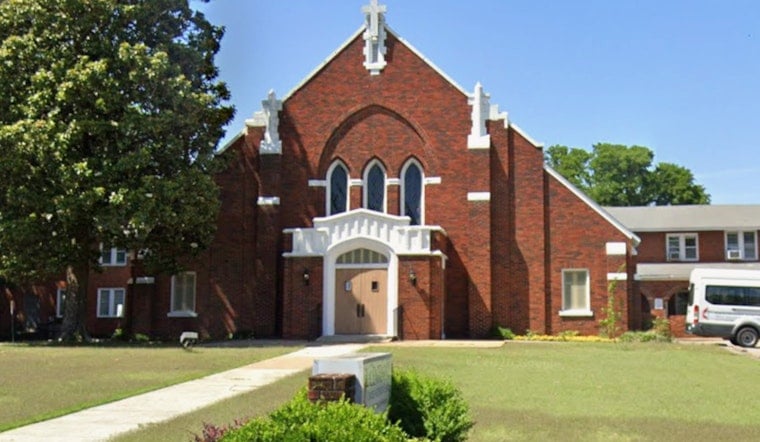
Clara Ester, a Memphis-born civil-rights organizer who as a teenager sprinted to Dr. Martin Luther King Jr.'s side after he was shot on the Lorraine Motel balcony in 1968, has died. Her family says she died on July 9 at age 78 after decades of faith-driven community work in Memphis and Mobile. Funeral services are scheduled Monday at Centenary United Methodist Church in South Memphis.
Death reported by national outlets
According to the Associated Press, Ester's death was announced this month and she was 78. The AP notes she was among the last living witnesses to the April 4, 1968 shooting; with other figures from that day having passed, Andrew Young is believed to be the lone surviving eyewitness to the immediate aftermath.
A moment that set a life course
As a 19-year-old college student, Ester was on the Lorraine Motel balcony when she heard the shot and ran to King's side, later writing that she tried to loosen his belt and asked for towels to help stop the bleeding. She went on to spend 36 years as an organizer at Mobile's Dumas Wesley Community Center and eventually served as its executive director, and was commissioned as a deaconess in the United Methodist Church while holding national leadership roles in the denomination. Those details and reflections on her life are documented by UM News.
Recent public remembrance and museum ties
Earlier this year the National Civil Rights Museum listed Ester among featured eyewitnesses and speakers for its April commemoration at the Lorraine Motel, underscoring how she bridged living memory and civic education, as detailed by the National Civil Rights Museum.
Funeral and local response
Community leaders and colleagues have shared remembrances while local reporting says funeral services will be held Monday at Centenary United Methodist Church. FOX 5 Atlanta compiled details from news outlets and the denomination about the upcoming service and noted officials have not released a medical cause of death.
Ester's death closes a chapter in Memphis history while reminding local and national communities how memory and ministry intersect. Her life, from the Lorraine balcony to decades of organizing and church leadership, will be marked this week as family and former colleagues gather to honor her work.





