

























































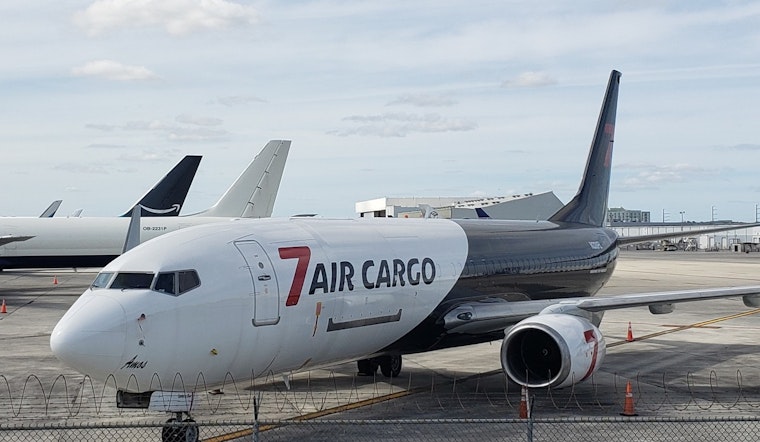
On Tuesday, a cargo jet lifted off from Miami loaded with the first batch of humanitarian supplies tied to a U.S. $100 million aid package for Cuba, marking the start of a July rollout that U.S. officials say is aimed at families facing mounting shortages across the island.
What Was On The Plane
The inaugural 7Air cargo run carried a modest but symbolic load: an initial shipment of kits, roughly 700 hygiene kits and 700 food items, according to U.S. officials. The plan is for these supplies to reach Cuban households through “trusted independent faith-based partners and charitable organizations,” with Catholic Relief Services, Cáritas Cuba and the Catholic Church in Cuba set to move the boxes on the ground, according to local reporting from Café Fuerte.
Havana Pushback and Politics
The Miami flight touched down in the middle of a very public weeklong spat between Washington and Havana. President Miguel Díaz-Canel took to X to accuse U.S. officials of hypocrisy, even as he said his government would not block humanitarian assistance. At the same time, Cuba’s foreign minister insisted the island had not been formally notified of any offer.
On the U.S. side, Secretary of State Marco Rubio has said some aid was offered privately and that Cuba has not accepted the full $100 million package, a backstory laid out in local coverage. As reported by the Miami Herald, the flight’s arrival came as both governments traded accusations and tried to frame the moment for their own audiences.
Small Shipments Preceded the Rollout
This is not the first time U.S. aid has slipped into Cuba via church channels this year. Washington and religious partners previously coordinated smaller, church-led deliveries, including about $3 million in January for victims of Hurricane Melissa, along with other shipments handled by Caritas and Catholic Relief Services. Those earlier efforts relied on a distribution network that largely sidestepped Cuban state intermediaries and reached thousands of families in eastern provinces. They also revealed how hard it is to move anything across the island in the middle of a severe fuel and power crunch, according to CiberCuba.
Why This Matters For Miami
Miami is not just the departure point on the map. Its churches, logistics operators and Cuban American networks are the backbone of the supply chain that will move these boxes from local warehouses to parish halls across Cuba. That practical role also places the city at the heart of a politically sensitive experiment in getting U.S. help to Cuban families without routing it through the Cuban state.
The operation unfolds as the State Department continues to publicly criticize Havana for sponsoring extremist activity and running intelligence operations. U.S. officials say that context helped drive the choice to work through independent religious and charitable groups, rather than relying on Cuban government agencies, according to the State Department.
What To Watch
In the coming weeks, watch for additional cargo rotations out of Miami and for reports on whether church partners can actually hand off supplies to families in the middle of rolling blackouts and chronic transport shortages across Cuba. Broadcasters had flagged Tuesday’s flight as imminent, and diplomats on both sides say the real test will be whether Havana allows sustained, nongovernmental deliveries.
If that access holds, the $100 million pledge could translate into visible relief for desperate households. If it stalls, the aid package risks becoming just another talking point in a long-running political fight. For now, the story is only just getting off the runway, as initial coverage from CNN made clear.





